
Ventilation, Drainage and Other Forgotten Essentials
September 2026
When homeowners in London begin planning an extension, loft conversion or refurbishment, the conversation usually focuses on spatial layout, finishes, and aesthetics. That makes sense because those are the tangible elements clients live with every day. However, there are equally important technical essentials that often get overlooked early in the process but can cause significant problems if not addressed properly.
Three of the most common forgotten essentials are ventilation, drainage, and other technical systems that quietly influence comfort, compliance and long-term performance. Getting these right is essential to a successful build, but they rarely make it onto early mood boards.
At Bloom Builders we believe that educating clients about these technical aspects up front leads to better outcomes, fewer surprises on site, and a smoother journey from design to completion. This article outlines what each of these essentials involves, why they matter in a London context, and how to ensure your project handles them properly from the start.
Why Ventilation Matters
Ventilation is one of those things most people take for granted, until it goes wrong. Yet it is fundamental to healthy indoor environments, moisture control, and compliance with building regulations. In London, where dwellings are often airtight for energy performance, inadequate ventilation can lead to a host of problems including:
Condensation build-up
Mould and dampness
Poor air quality
Excess internal humidity
Uncomfortable living conditions
These issues are not just cosmetic. Mould growth and condensation damage can undermine finishes, promote timber decay, and even affect respiratory health.
Building Regulations and Ventilation
In the UK, ventilation requirements are primarily set out in Building Regulations Part F (Ventilation). Part F requires adequate means of ventilation in all rooms, with specific requirements for kitchens, bathrooms, utility rooms and habitable spaces.
For example:
Bathrooms and en-suite spaces must have either extract ventilation or a window with an openable area of at least one-twentieth of the floor area.
Kitchens require extract ventilation capable of removing cooking effluent, typically via mechanical extract fans.
Habitable rooms must have background ventilation even when windows are closed, often achieved with trickle vents or mechanical ventilation with heat recovery (MVHR).
In London, where properties can be surrounded by noise, air quality concerns, or planning constraints, many clients choose mechanical ventilation systems with heat recovery (MVHR). These systems provide continuous fresh air while conserving heat, but they must be properly sized, designed, and balanced for the space.
Having a ventilation strategy early in design prevents the common mistake of assuming that “windows will do the job”. Windows alone often fail to provide adequate background ventilation, especially in cold weather when occupants keep them closed.
Drainage: Simple in Concept, Complex in Practice
Drainage often gets even less attention than ventilation — probably because it is hidden underground and appears only when programmes start. But drainage failures are among the most disruptive and costly issues in residential builds.
In London, where many properties are old, the underground conditions can be extremely variable. Clay soils, old brick drains, uncharted utility runs, Victorian sewer connections and groundwater can all complicate drainage design.
Drainage is about getting water away from the building safely. This includes:
Surface water from roofs, patios, gardens and paved areas
Groundwater that may rise around foundations
Waste water from kitchens, bathrooms and utility spaces
Rainwater flowing into and within the site
If drainage is ignored or assumed to be “existing and fine”, the consequences can include:
Blocked pipes and backups
Water ingress at foundations or basements
Landscape erosion
Structural damage over time
Unexpected remediation costs midway through the build
Drainage in London: What Makes It Different
London’s historic infrastructure adds layers of complexity:
Many older drains are made from brick or terracotta and are no longer fit for purpose.
Connectivity to mains sewers is subject to Thames Water approval and may require upgrades.
Basement or deep dig projects often encounter groundwater requiring drainage design or tanking solutions.
Rainwater management must consider Sustainable Drainage Systems (SuDS) requirements where relevant.
These factors mean that a proper drainage survey and design should be part of early technical work, not something deferred until construction begins.
The Essentials You Might Forget
Beyond ventilation and drainage, there are other technical systems that too often get short-changed in early planning:
1. Thermal Performance and Insulation Detailing
London homeowners are increasingly aware of insulation and energy performance. However, the detailing of insulation interfaces — where roof meets wall, window frames meet walls, and junctions around floors — is often overlooked until late in design.
Poor detailing results in thermal bridges, heat loss, cold spots, condensation and higher running costs.
Addressing this in the early phases ensures compliance with Building Regulations Part L (Conservation of Fuel and Power) and results in more comfortable homes with lower energy demand.
2. Sound Insulation
In planning loft conversions or internal reconfigurations, sound insulation between storeys and between rooms is often underestimated. Approved Document E sets out minimum standards for sound transmission in dwellings, and compliance needs to be demonstrated. Ignoring sound insulation early can lead to retrofits that are expensive and disruptive.
3. Fire Safety Systems (Beyond Doors)
Fire doors are commonly discussed, but fire safety systems include more than just doors. They include:
Fire detection and alarm systems that meet current regulatory requirements
Protected escape routes
Smoke control or smoke extract considerations, particularly with basement or multi-level works
Compartmentation where required under Approved Document B.
A project that neglects these elements during early design often encounters delayed building control approvals and redesign charges.
4. Structural Load Paths
Thinking about structure only when you see walls come down is a recipe for cost escalations. Structural load paths must be considered when removing walls, extending openings, or introducing large glazed areas.
This is not just about obtaining an engineer’s details. It is about coordinating those details with ventilation, services and finishes so that systems do not conflict during installation.
5. Air Tightness Testing
Part of Part L compliance in modern builds is air tightness testing. Many clients are surprised by this, assuming it only applies to new builds. In fact, significant refurbishments may require an air tightness strategy and testing, and the approach to sealing and continuity of membranes must be designed early.
Bringing It Together: Project Stages Where Essentials Matter
To manage these often-forgotten essentials effectively, they need to be considered at key points in the project timeline:
Early Phase: Concept and Feasibility
This stage should include:
Ventilation strategy outlines
Drainage and ground condition consideration
Early consultation with building control where possible
Design Development
At this stage:
MVHR or mechanical ventilation systems are sized and coordinated
Drainage connection and SuDS design are reviewed
Insulation and airtightness details are developed
Fire strategy components are reviewed alongside escape and compartmentation
Ensure that specifications include:
Ventilation systems and controls
Detailed drainage drawings
Thermal insulation interfaces
Sound insulation specifications
Fire safety systems
On Site
Site supervision must check:
Ventilation system commissioning
Drainage installation trenches and falls
Waterproofing and tanking where required
Structural and services coordination
Air tightness detailing and pre-test readiness
Often the items that seem “technical” can become the ones that hold up signage off, final certificates, and handovers.
Why London Clients Should Pay Attention
London projects rarely follow the same conditions as new estates or suburban builds. The urban environment presents:
Historic fabric and hidden site conditions
Shared boundaries and access constraints
Listed or conservation considerations
Older existing services and drains
Neighbour impact scrutiny
These urban factors mean that technical essentials are not optional add-ons. They are part of a robust and compliant design that meets regulatory scrutiny and delivers long-term performance.
Addressing ventilation, drainage and the other technical systems in your early stages protects your timeline, budget and peace of mind. It also avoids the expensive and disruptive surprises that come from assumptions rather than technical certainty.
Practical Tips for Clients
Here are some practical ways to make sure these essentials are handled well:
1. Commission Surveys Early
Drainage, ground risk, ventilation needs and services layouts are best understood before design is finalised.
2. Include Technical Specialists in Early Design
Engage mechanical and electrical engineers, drainage designers and fire safety specialists alongside your architect and contractor.
3. Coordinate Systems, Not Designs
Ensure that ventilation, drainage, insulation, fire safety and structure are coordinated — not dealt with in isolation.
4. Allow Contingency for Technical Discoveries
Even with good upfront planning, unexpected site conditions or updated regulatory expectations can influence cost. A reasonable contingency should account for this.
5. Document Everything Clearly
Clear specifications help contractors deliver what was designed, avoid ambiguity and simplify compliance evidence for building control.
Ventilation, drainage and other technical essentials are far more than tick-boxes. They are the systems that keep your home healthy, compliant and comfortable for years to come. In London, where site conditions are varied and the regulatory framework is exacting, these elements should be part of your planning from day one — not added as afterthoughts.
Bloom Builders works with clients to ensure these technical essentials are integrated into design and delivery so that projects are not only beautiful, but durable, compliant and problem-free.
If you are planning a renovation, extension or complex refurbishment, discussing ventilation, drainage and the overlooked technical systems with your design team early will help you avoid surprises and deliver a successful project.
Sources
Airtightness and Ventiliation for Old London Houses in Plain English, Studio CMA, https://www.studiocma.co.uk/journal/airtightness-ventilation-london-period-home.
Draughtproofing & Ventilation for Home Renovations - Expert - Backed Retrofit Strategies, BuildIt, https://www.self-build.co.uk/draught-proofing-your-home/.
Ventilation System Maintenance: Vital, But Often Forgotten, Renson, https://renson.net/en-gb/blog/ventilation-system-maintenance-vital-but-often-forgotten.
Do You Need Sprinklers, Smoke Vents or Fire Doors?
August 2026
When planning a full renovation or extension in London, understanding fire safety requirements is an essential part of the process. While design, layout and finishes are often top of mind, fire safety features such as sprinklers, smoke vents, and fire doors are not just technical add-ons. They are critical safety measures that can influence planning, cost, compliance and most importantly the safety of occupants.
At Bloom Builders we believe that clear, practical guidance helps clients make informed decisions early in the project. This blog explains when sprinklers, smoke vents, and fire doors are required, what they do, and how building regulations affect your project. We will focus on everyday residential contexts common in London such as loft conversions, extensions, conversions and multi-storey homes.
Understanding the Basics: Fire Safety in Building Regulations
In England, fire safety in buildings is governed primarily by Building Regulations Part B (Fire Safety). Part B sets out minimum standards for fire protection, means of escape, and safety systems in homes and buildings.
Approved Document B supports Part B and provides technical guidance on how to comply. It is split into two volumes:
Volume 1: Dwellings (houses, flats, maisonettes)
Volume 2: Buildings other than dwellings (commercial, mixed-use, shared accommodation)
Whether you need sprinklers, smoke vents or fire doors depends on a range of factors including building height, number of storeys, occupancy type, escape routes and layout.
In simple terms:
Sprinklers are automatic fire suppression systems
Smoke vents help remove smoke from escape routes
Fire doors are specially designed doors that slow the spread of fire and smoke
Each plays a different role and is required in different circumstances.
Fire Doors: The First Line of Passive Protection
Fire doors are purpose-built with fire resisting cores and seals to provide protection for a specified period, typically 30 or 60 minutes. They help contain fire and smoke within compartments, giving occupants time to evacuate and fire services time to respond. In residential projects in London, fire doors are commonly required in the following situations:
Between a house and an attached garage
Where an internal door separates a dwelling from a garage, a fire door is typically required because garages often contain combustible materials and sources of ignition.Between different occupancy units
In conversions where a house is divided into flats or maisonettes, fire doors help provide compartmentation between units.On the final exit from multiple dwellings
In shared access arrangements such as maisonettes or apartment blocks, fire doors provide protected routes.Where part of the property has fire-resisting compartment walls
For example, fire resisting floors or walls created during loft conversions or horizontal extensions may require doors with matching fire resistance.Stairway access in multi-storey houses
When stairways serve as escape routes, fire doors may be required to maintain compartmentation between floors.
Fire doors are a form of passive fire protection. They do not actively put water on a fire, but they slow its spread and protect means of escape. In London homes with multiple floors or shared access, they are one of the most common regulatory requirements.
Fire doors must be installed certified to the appropriate fire resistance, correctly labeled, fitted with fire rated frames and intumescent seals, and maintained over time. Removing them or substituting high finish internal doors for fire doors without proper certification can lead to compliance failure.
Sprinklers: Active Fire Suppression
Sprinkler systems are active fire suppression systems designed to detect heat and discharge water to control or extinguish a fire. Unlike alarm systems, which alert occupants, sprinklers directly intervene in the early stages of a fire.
When Are Sprinklers Required?
For most individual houses under 11 metres in height, traditional building regulations do not mandate full sprinkler systems. However, there are important exceptions and evolving expectations:
High-Risk Residential Buildings
In buildings over 11 metres (or where the highest occupied storey is more than 11 metres above ground level), sprinklers are generally required for residential use. This includes tall apartment blocks or mixed use developments.Converted Blocks of Flats
Where existing buildings are converted into multiple flats and the building exceeds the 11-metre threshold, sprinkler systems are commonly required.New High-Density Residential Blocks
New builds with multiple dwelling units and multiple storeys often require sprinklers as part of a comprehensive fire strategy.Where Alternative Escape Measures Are Limited
In some cases, building control may require sprinklers if the means of escape is limited or other fire safety measures cannot reasonably provide equivalent protection.London-Specific Expectations
While Part B sets the national baseline, local London authorities may expect robust fire safety measures, especially in areas of mixed use or high occupancy. During plan check and building control review, sprinklers may be recommended as a risk reduction measure even if not strictly mandated.
Sprinklers are more common in apartment buildings and higher density residential developments than in individual houses or small extensions. However, as building control adapts to new fire safety expectations and performance based fire strategies, sprinklers are increasingly considered a positive design feature, not just a regulatory burden.
Installing sprinklers early in the design process is more cost effective than retrofitting them later. If your property is nearing the thresholds mentioned above or has complex access arrangements, discussing sprinklers with a fire consultant and building control during design development is essential.
Smoke Vents: Removing Smoke, Supporting Escape
Smoke vents are openings, either mechanical or natural, designed to allow smoke to escape from a building in the event of a fire. They are not a primary fire control method like sprinklers, but they significantly improve safety by reducing smoke build-up in escape routes such as stairways, corridors or open plan spaces.
Smoke burns and displaces oxygen. In a fire scenario, smoke, not fire, is often the greatest immediate danger to occupants. Proper smoke control can therefore be critical to safe evacuation.
When Are Smoke Vents Required?
Smoke vents are most commonly applied in non-domestic buildings or larger residential settings where enclosed escape routes may fill with smoke. Examples include:
Multi-storey apartment blocks
Lobbies, corridors and stair enclosures may be required to have smoke venting systems.Large single-level commercial spaces
Where a building’s footprint is large and escape distances are significant.Buildings with enclosed stairways and corridors
Smoke venting helps protect those escape routes by limiting smoke concentrations.
For typical London homes, loft conversions, extensions and small scale alterations, smoke venting is less commonly mandated. Where open plan layouts or enclosed internal escape routes present a smoke risk, building control may require mechanical ventilation or smoke control measures. These decisions are usually made as part of a fire strategy assessment rather than as automatic regulatory requirements.
Practical Scenarios: How Requirements Apply in London
Understanding requirements in theory is one thing, but how do they apply in real London projects? Here are some common scenarios:
Scenario 1: Loft Conversion in a Victorian Terrace
A loft conversion adds a habitable floor above two existing storeys. The completed house remains under 11 metres in height. Sprinklers are not typically required. However, fire doors at stair access points and fire resisting partitions may be needed based on layout. Smoke venting is unlikely to be mandated unless the stair enclosure is extended or enclosed.
Scenario 2: Substantial Rear Extension and Loft
If a rear extension alters levels and creates complex internal escape paths or removes compartment walls, building control may require fire resisting partitions and fire doors. Sprinklers remain unlikely unless the top occupied storey exceeds 11 metres.
Scenario 3: Conversion to Flats
When a house is converted into two or more separate flats, regulatory expectations rise. Even if each flat is below 11 metres, shared access and escape routes may trigger compartmentation, fire doors, interlinked detectors and — in some cases — sprinklers depending on layout and number of storeys.
Scenario 4: New Build Blocks in London
For new residential blocks with three or more storeys or where the highest occupied floor is over 11 metres, full sprinkler systems, enclosed protected stairways with smoke control, and fire doors throughout escape routes are the norm.
Early Fire Strategy Review - Engage with building control and fire strategy consultants during early design to identify what is required. Don’t assume that because your property is a house, sprinklers will never be needed.
Integrate Fire Features Into Design - Don’t treat sprinklers, fire doors or smoke control as afterthoughts. Design them into your layout so that they enhance safety without compromising aesthetics.
Budget Accordingly - Proper fire protection can add to cost, but last-minute changes are far more expensive. Budget for fire resisting doors, detection systems, and — where relevant — suppression or smoke control.
Understand Building Control Expectations - Local planning and building control officers in London may have additional expectations or preferred standards above national minimums. Early engagement typically avoids costly redesigns.
Balancing Safety and Design
Fire safety requirements are not a barrier to good design. Far from it. When considered early, features such as fire doors, detection systems, and appropriate smoke control can be integrated elegantly into contemporary interior layouts. They also provide peace of mind that you are protecting your family, guests or tenants.
At Bloom Builders, we work with clients from the earliest stages to understand not only what is required legally, but what makes practical sense practically for their building type, usage and long-term safety.
Whether you are planning a loft conversion, a large extension, a change of use, or a new build in London, understanding the role of sprinklers, smoke vents and fire doors will help you deliver a project that is safe, compliant and beautifully designed.
Sources
Building Regulations for Interior Designers: Fire Safety Buildings Other Than Dwellings, British Institute of Interior Design, https://biid.org.uk/resources/building-regulations-interior-designers-fire-safety-buildings-other-dwellings.
Do You Need a Fire Engineer to Sign Off Your Home Renovation? Absolute Project Management, https://www.absoluteprojectmanagement.com/post/strong-do-you-need-a-fire-engineer-to-sign-off-your-home-renovation-strong.
Fire Doors, London Fire Brigade, https://www.london-fire.gov.uk/safety/property-management/fire-doors/.
Open-Plan Living and Fire Strategy: What You Must Include
August 2026
In recent years, open-plan living has become one of the most popular design trends in London homes. Removing internal walls, creating fluid kitchen-to-living spaces, and maximising natural light are all hallmarks of contemporary living. It can make a home feel larger, more sociable, and better suited to modern lifestyles.
However, open-plan layouts also introduce particular challenges when it comes to fire safety and regulatory compliance. The openness that creates attractive spaces also affects how fire can spread, how occupants can escape, and how building control assesses your design.
In this article we explain what open-plan means in practical terms, why fire strategy matters, what elements you must include in your plans, and how a balanced approach protects both design and compliance. Whether you are planning a loft extension, whole-house refurbishment, or internal reconfiguration, this guide will help you make informed decisions from the start.
What Makes Open-Plan Living Different
Unlike traditional compartmentalised layouts, open-plan living removes internal partitions to create large, flexible spaces. Walls between kitchen, dining, and living areas may be reduced or eliminated entirely. Loft conversions often achieve this with minimal separation between areas.
From a design perspective this works very well. Daylight travels further, social interaction becomes seamless, and spaces adapt easily to changing needs.
From a fire safety perspective, it changes three key things:
How fire can spread within the space
How people escape the space safely
How building control evaluates risk
In traditional compartmentalised layouts, walls and doors act as passive fire protection. They slow the spread of fire and smoke long enough for occupants to escape safely. In open spaces, those protective layers are reduced, which means fire strategy must compensate in other ways.
Fire Strategy Fundamentals
A fire strategy is a documented approach to how fire safety is maintained in a building. It considers detection, suppression, means of escape, compartmentation, and management of fire risk. In London, fire strategy requirements are primarily guided by:
Building Regulations Part B (Fire Safety)
Approved Document B volumes (dwelling houses and other buildings)
Relevant British Standards
Local building control expectations
These rules do not prohibit open-plan designs. What they do is require a fire strategy that demonstrates equivalent safety compared with a more compartmentalised arrangement.
In practical terms, this means thinking about:
Smoke detection and alarm positioning
Means of escape and exit routes
Fire resisting elements where necessary
Fire suppression systems such as sprinklers or suppression ready arrangements
Material choices and finishes
Each of these plays a role in balancing your design with compliance.
Detection and Early Warning
One of the most straightforward fire safety measures is a good detection system. In open-plan living, early detection becomes even more important because:
Fire can grow unnoticed in a wide open space
Smoke can spread rapidly across large areas
People in different parts of the space may not immediately hear an alarm
For London homes, the current minimum standards include interlinked smoke alarms on each level of the dwelling. These must be mains powered with battery backup, positioned to give early warning, and tested regularly.
In open-plan designs this often means:
Multiple detectors covering the whole space
Heat detectors in kitchens
Alarms visible and audible throughout living, dining, and kitchen areas
Early and reliable detection reduces reliance on passive compartmentation and buys more time for evacuation or suppression.
Means of Escape
Means of escape refers to how occupants leave a building in the event of a fire. In open-plan living, escape routes may not be as clearly defined as in compartmentalised plans. However, they still must be safe, continuous, and unobstructed.
Design implications to consider include:
Clear paths to exits from each area of the space
Avoiding layouts where dead ends or convoluted routes could delay evacuation
Considering the needs of all occupants, including children, elderly family members, and guests
Ensuring that internal changes do not significantly lengthen escape travel distance
It is often useful to test your planned exit routes on paper: imagine someone having to evacuate from the farthest point of your open plan space. Is there a clear, direct way out? If not, adjustments may be required.
In many cases the solution is not extra walls, but intelligent layout design: positioning kitchen, living and circulation zones so that exits are intuitive and travel distances are kept within recommended limits.
Compartmentation Where It Matters
Open-plan does not mean every wall disappears. Fire strategy may require compartmentation in key areas to ensure that the fire’s spread is controlled. Examples of where compartmentation is commonly applied include:
Stair enclosures
Between a loft extension and lower floors
Separating sleeping areas from living spaces
Between major functional zones (such as kitchen and corridor leading to fire escape)
Even if your main living area is open, these compartmented elements can form part of an effective strategy.
Fire resisting doors and partitions bought into strategic locations can allow you to keep an open feel in the living area, while still providing necessary protection where it matters.
Fire Suppression and Sprinklers
In traditional homes under 7.5 metres in height, sprinkler installation is not always mandatory. However, open-plan living spaces can make occupants more dependant on detection and evacuation alone. Where design decisions reduce passive protection, fire strategy may recommend or require active suppression.
While complete sprinkler systems are more common in larger multi-storey residential buildings, there are circumstances in domestic builds where modern systems or partial suppression may be appropriate.
Fire suppression systems provide:
Early flame control
Reduced heat and smoke spread
More time for evacuation and intervention
If you are building upwards (for example, loft conversions or multi-storey extensions), fire strategy may increasingly recommend suppression systems to compensate for reduced compartmentation.
Material Choices and Fire Performance
The materials you choose for walls, floors, ceilings, finishes and joinery all have a fire performance impact. Certain products slow fire spread more effectively, while others may contribute to rapid heat release. Building Regulations and Approved Document B include guidance on fire resistance periods and reaction to fire ratings for different materials and assemblies.
In open-plan spaces, it is especially important to:
Choose finishes with good reaction to fire classifications
Avoid highly combustible surface materials in large continuous areas
Ensure floor and wall constructions achieve minimum fire resistance (usually measured in minutes)
For example, maintaining fire resisting floors between storeys and fire resisting elements around stairways or internal zones helps comply with the regulatory intent while allowing you freedom in the open living area.
Ventilation and Smoke Management
Large open spaces can present a challenge when it comes to smoke spread. Smoke can reduce visibility and increase heat transfer, making escape harder and fire fighting less effective. While mechanical smoke control systems (such as extract fans or pressurisation) are more common in commercial buildings and high rise residential blocks, in domestic open plans it is important to consider:
Location and performance of smoke alarms
Natural ventilation points that may help vent smoke (windows, skylights)
Partitioning that slows smoke spread to exit routes
A well designed smoke management plan does not need to compromise your open design, but it does require thoughtful integration into the architectural concept.
Fire Strategy Reports and Professional Input
For many open-plan designs, especially larger homes or structural changes, a formal fire strategy report is recommended. This document reviews your layout, materials, and escape routes and makes specific recommendations to meet regulatory requirements. Fire strategy reports are often produced by specialists working alongside architects and contractors. They support building control submissions and provide evidence that your design:
Meets the intent of Approved Document B
Protects occupants in realistic fire scenarios
Balances design freedom with safety principles
In London, where Building Control scrutiny can be robust, providing a fire strategy early in the design process helps avoid costly redesigns or clarifications later.
Common Mistakes to Avoid
Open-plan designs are visually appealing, but the following common mistakes can jeopardise fire compliance:
Assuming open means escape is obvious
Even large open spaces need clear and tested exit planning.Removing all internal doors without strategy
Doors act as passive fire protection; removing them without compensating measures increases risk.Underestimating smoke travel
Smoke moves rapidly; detection and ventilation planning is essential.Delaying fire strategy until late in construction
Early planning avoids surprises and redesign.
Balancing Design and Compliance Successfully
The key to a successful open-plan project is not compliance for its own sake. It is balancing aesthetic and functional goals with safety principles that protect people and property.
A well integrated fire strategy ensures that:
Your design vision is realised
Regulatory requirements are met without unnecessary compromise
Building control approval is smoother and faster
Construction and detailing are informed by safety objectives
Your budget accounts for necessary fire safety elements from the start
At Bloom Builders we regularly work with architects, designers, fire strategy consultants, and building control to ensure that open-plan living projects comply with the latest guidance while delivering beautiful, functional spaces. If you are planning an open-plan renovation or extension in London, engaging experienced professionals early will help you avoid surprises and move the project forward with confidence.
Sources
Fire Spread Prevention in Open Floor Plans: Challenges and Solutions, Martyn Young Fireproofing Consultant, https://fireproof.co.uk/fire-spread-prevention-in-open-floor-plans-challenges-and-solutions/.
Open-Plan Layouts: How to Overcome Fire Safety Problems, Built It, https://www.self-build.co.uk/open-plan-layouts-how-overcome-fire-safety-problems/.
Refurbishment Risks, Fire Protection Association, https://www.thefpa.co.uk/advice-and-guidance/advice-and-guidance-articles/refurbishment-risks.
The 7.5m Fire Regulation Rule Explained
July 2026
For many homeowners, developers, and landlords in London, fire safety regulations can feel complex, technical, and sometimes overwhelming. Yet understanding them, particularly the so-called “7.5m rule”, is essential for avoiding costly delays, redesigns, and non-compliance issues during a build or renovation.
In simple terms, the 7.5m rule in fire safety refers to a regulatory threshold in the UK building regulations where specific fire safety requirements become stricter once certain elements of a building exceed 7.5 metres in height or travel distance. Knowing where this rule applies and how it affects your project can save you time, stress, and money.
This blog explains why 7.5m is significant, what it means in practical terms, and how it affects residential builds in London.
What Is the 7.5m Fire Regulation Rule?
The 7.5m fire regulation rule relates to fire safety design requirements that become relevant when certain elements of a building exceed this measurement, either vertically or in horizontal travel distance within the building. This threshold has been highlighted in amendments to Approved Document B of the Building Regulations (Fire Safety), which sets out how fire safety must be incorporated into building design, construction, and materials in England and Wales.
Specifically, when the height of a residential building, measured from the ground level to the floor level of the highest occupied storey, exceeds 7.5 metres, additional fire safety measures kick in. These often include enhanced means of escape, protected stairways, fire resisting construction, and potentially automatic fire suppression systems such as sprinklers.
This is not an arbitrary number. It reflects a point at which residential buildings begin to present significantly higher risk in terms of evacuation time and fire spread if things go wrong. Building control authorities and regulators use 7.5m as a practical cut-off between “low-rise” and “mid-rise” scenarios where fire safety complexity increases.
Why 7.5m Matters for London Builds
In London, there are many building types that fall around the 7.5m threshold: three-storey townhouses, deep loft extensions, roof terraces, and even some two-storey builds with basement conversions. It’s therefore very common for projects to unknowingly cross this regulatory line unless designers and homeowners plan carefully early in the design stage.
Once a building or even a part of a building (such as a habitable floor) exceeds 7.5m, the following typically apply:
Escape routes must be designed to ensure safe evacuation for all occupants
Protected stairways may be required with fire-resisting construction between storeys
Fire detection and alarm systems may need upgrading
Fire suppression systems (often sprinklers) might have to be included
For example, Approved Document B outlines that where a dwelling has floors more than 7.5m above ground, additional means of escape and fire protection measures are often necessary, such as protected stairways with fire resistance and, in some situations, sprinkler systems if alternative escape routes are not feasible.
These measures have important safety implications but also direct cost and design consequences.
How Building Height Is Measured
The first step in understanding whether the 7.5m rule applies to your project is knowing how building height is measured. According to guidance aligned with the Building Safety Act 2022 and recent fire safety regulation updates, height is measured from ground level to the top of the floor surface of the top storey of the building. Rooftop plant rooms and machinery rooms are usually excluded from this measurement.
This means:
If the top occupied floor — the highest habitable room — is more than 7.5m above external ground level, the building will trigger additional fire safety requirements
Even if your intention is only to add a loft conversion, if that new floor sits above 7.5m, the fire regulations change
In practical terms, many London terrace houses, when measured from the street level to the loft ceiling floor, exceed 7.5m. Unless this is considered during early design, it can come as a surprise in detailed fire strategy reviews or building control checks.
What Happens Once You Exceed 7.5m
Once your building or specific floor is measured above the 7.5m threshold, several fire safety design principles change in Approved Document B:
Protected Stairways and Escape Routes
Buildings exceeding 7.5m height generally require a protected means of escape. This means stairways and corridors that lead occupants safely out of the building must be designed to resist fire for a specific period. Fire resisting construction (such as fire-rated walls and doors) is often required to maintain protected routes.
Protected stairways reduce the risk of fire and smoke infiltration, giving residents more reliable escape routes.
Fire Detection and Alarm Systems
In “low-rise” structures under 7.5m, basic smoke alarms and detectors are often sufficient. However, once a building exceeds this threshold, a more comprehensive fire detection system, usually interconnected, mains powered and potentially tied into a fire alarm system may be required to provide early warning across all floors.
Fire Suppression Systems (Sprinklers)
In many cases, if alternative means of escape are limited, or if the building design makes protected egress challenging, automatic fire suppression systems such as sprinklers may be required. While historically these were largely required in much taller buildings (typically over 11m or 18m under other parts of the regulations), the 7.5m measurement can still trigger requirements for suppression in certain residential settings — particularly where escape is limited or where a single stair serving high floors is the only option.
Note that the requirement for sprinklers varies depending on whether alternative escape routes exist, the occupancy type, and whether the building benefits from fire resisting construction throughout.
Practical Impacts on Design and Budget
Crossing the 7.5m threshold is more than a technical detail. It has practical implications that affect design, construction sequencing, and cost planning.
Design Complexity
Designing protected stairways, incorporating fire resisting materials throughout escape routes, and detailing fire detection and suppression integration all add complexity to architectural and structural plans. This often requires early involvement of fire engineers and building control consultants.
Cost Implications
These design requirements add both material and labour cost. Fire resisting doors, fire rated partitions, sprinkler systems, and advanced detection/alarm systems are not inexpensive, and they should be included in early budgets once a project is anticipated to exceed 7.5m.
For London builds, where space is often restricted and existing structures are old, retrofitting these systems can be more challenging and costly than incorporating them into a project from the start.
Planning and Approval Time
Because fire strategy plans are now part of most building control submissions for residential projects over typical thresholds, approval times can extend unless the fire safety measures are clearly articulated in advance.
Examples Where the Rule Matters
Here are a few common scenarios in the London context where the 7.5m rule becomes relevant:
Adding a Loft Conversion to a Three Storey House
Many London homes already have three floors. Adding a loft conversion often raises the highest occupied storey above the 7.5m mark, triggering the need for a protected stairway and consideration of suppression systems, even if previously the house never triggered more complex fire safety measures.
Roof Terraces and Habitable Outdoor Floors
If a project includes a roof terrace with direct access from a habitable room above 7.5m, it counts as a floor level for measurement. This too can trigger the enhanced requirements.
Extensions That Raise Ceiling Heights
Significant extensions that lift floor levels for open plan or loft-style living spaces can push habitable levels above 7.5m, even in properties that would otherwise be considered mid-rise.
How to Stay Ahead of Fire Regulation Costs
Proper planning will help you avoid costly surprises when building in London:
Early Design Reviews
Involving fire safety consultants and building control officers early in the design process ensures that you understand how height measurements will apply.
Accurate Height Measurement
Double check how height is being measured according to building control criteria before finalising designs or submitting applications.
Fire Strategy Integration
A clear fire strategy that integrates protected escape routes, detection, and suppression systems will reduce friction at approval and construction stages.
Budget Appropriately
Include allowances for fire resisting materials, doors, detection systems, and possibly a sprinkler installation in your cost plan once the project crosses 7.5m.
The 7.5m fire regulation rule may seem like a technical threshold, but in practice it is a pivotal point in UK fire safety regulations for residential buildings. For London clients planning loft conversions, vertical extensions, or homes with multiple floors, this rule changes how Building Control views design, safety, and compliance.
A proactive approach that incorporates fire safety planning early will help keep your project efficient, compliant, and on budget. If your proposed build is near or above 7.5m, engaging an experienced contractor and fire safety consultant is essential. Bloom Builders London specialises in navigating these regulatory thresholds to make sure your project complies with the latest requirements and avoids surprise costs.
Sources
Fire Safety Building Regulations, Homebuilding & Renovating, https://www.homebuilding.co.uk/advice/fire-safety-building-regulations-part-b?utm.
Fire Strategy Planning in London, FRA London, https://fralondon.co.uk/service/fire-strategy-planning-london/.
Property Refurbishment: How to Adhere to Fire Compartmentation Standards, Harris Associates, https://www.harrisassociatesuk.com/blogs-articles/property-refurbishment-how-to-adhere-to-fire-compartmentation-standards.
How to Set a Realistic Budget Before You Start
July 2026
For most homeowners looking to renovate in London, the biggest fear when planning their build is losing control of the tightly planned and thought-out budget. Almost everyone starts with a number in mind, but very few projects stay comfortable unless that number has been properly stress tested before work begins.
This article is about foundational cost education. It is not about scaring you or pushing worst case scenarios. It is about helping you understand what a realistic budget actually looks like in London, how to build one properly, and how to avoid the financial shocks that derail projects halfway through. If you are planning an extension, refurbishment, or full renovation, this is the groundwork that protects both your money and your sanity.
Why “Realistic” Means More Than Just a Total Number
Most people think of a budget as a single figure. In practice, a realistic budget is a framework. It accounts for construction costs, professional fees, risk, timing, and decision making. Without those layers, even a generous number can become unrealistic very quickly.
London projects are especially sensitive to this. Older housing stock, tight access, planning constraints, labour availability, and regulatory requirements all add complexity. A budget that works on paper elsewhere in the UK can fall apart once those realities are factored in.
A realistic budget is not the cheapest possible outcome. It is the cost of delivering the project you actually want, within the constraints of your site, your programme, and your tolerance for risk.
Start With Scope, Not Square Metres
One of the most common budgeting mistakes we see is starting with a cost per square metre and working backwards. While these figures can be useful for early comparisons, they are blunt tools and often misleading.
Two projects of the same size can vary dramatically in cost depending on:
Structural complexity
Level of finish
Amount of bespoke work
Services upgrades
Access and logistics
Planning or party wall requirements
A modest rear extension with standard finishes and good access is a very different proposition to a similar sized extension with steelwork, large openings, underfloor heating, and high end joinery.
Before you attach numbers, define your scope clearly. Ask yourself what spaces you are creating, how they will be used, and what level of finish feels essential rather than aspirational. This clarity makes every cost discussion that follows far more accurate.
Understand the Real Construction Cost in London
Construction costs in London are higher than national averages, and not just because of labour rates. Logistics, parking restrictions, waste removal, working hours, and site constraints all push costs upward.
When setting a budget, it is important to understand what builders’ quotes typically include and what they do not. A realistic construction cost should reflect:
Current market labour rates
Material price volatility
Programme length
Site access constraints
Required preliminaries such as scaffolding and hoarding
If a quote feels significantly cheaper than others, it is usually because something has been excluded or under allowed. That difference does not disappear. It reappears later as variations, delays, or compromises.
A realistic budget assumes a market rate build cost, not a best case scenario.
Factor in Professional Fees From Day One
Professional fees are often treated as optional extras in early budgets. In reality, they are a fundamental part of cost control.
Depending on your project, these may include:
Architect or designer
Structural engineer
Building control
Party wall surveyor
Planning consultant
Quantity surveyor
In London, professional fees commonly account for 10 to 20 percent of the overall project cost. Excluding them from your initial budget does not make them disappear. It just shifts the pressure onto the build phase, where decisions become rushed and expensive.
Engaging the right professionals early often reduces overall cost by identifying risks, resolving design issues, and preventing rework on site.
Allow Properly for Surveys and Investigations
Many of the most expensive surprises happen because something was not investigated early enough. Drainage issues, inadequate foundations, asbestos, and structural defects are common in London properties, particularly Victorian and Edwardian homes.
A realistic budget allows for:
Measured surveys
Structural investigations
Drainage surveys
Asbestos surveys where relevant
These costs are small compared to the impact of discovering issues after work has started. Early information gives you control. Late information forces reactive spending.
Build in a Genuine Contingency
Contingency is not a slush fund. It is a recognition that construction involves unknowns, even on well planned projects.
In London, we typically advise a contingency of:
10 percent for well defined, lower risk projects
15 percent or more for complex refurbishments
This contingency should sit outside your core budget and only be used for genuine unforeseen issues, not upgrades or scope creep. If your budget only works by assuming nothing will go wrong, it is not realistic.
Be Honest About Your Finish Level
Finishes are where budgets quietly unravel. Kitchens, bathrooms, flooring, lighting, and joinery can absorb enormous sums very quickly, especially when decisions are delayed.
A realistic budget includes allowances that match your expectations, not placeholders designed to make the numbers look better. If you want stone worktops, bespoke cabinetry, or specialist finishes, those choices need to be reflected from the start.
Upgrading finishes mid build is one of the most common causes of overspend. Making those decisions early is one of the easiest ways to stay in control.
Understand the Cost of Time
Time is a cost driver that is often underestimated. Longer programmes increase preliminaries, site management costs, and exposure to material price changes.
Design indecision, late approvals, and changes during construction all extend programmes. A realistic budget acknowledges that rushed decisions cost money, but so do slow ones. Clear design, timely decisions, and realistic scheduling protect both your timeline and your finances.
Plan for Living Arrangements and Disruption
If you are living in the property during works or moving out temporarily, these costs need to be part of your budget. Rent, storage, additional utilities, and disruption related expenses add up quickly.
Ignoring them creates a false sense of affordability that can become very uncomfortable mid project.
Stress Test the Budget Before You Commit
Before starting, ask yourself:
What happens if costs rise by 10 percent?
What if the programme extends by a month?
What if we uncover an unexpected issue?
If the project only works under perfect conditions, it is not ready to start. A realistic budget should feel robust, not fragile.
Why Early Builder Involvement Matters
Engaging a builder early allows costs to be tested against real world delivery, not just drawings. At Bloom Builders London, we often work with clients during pre construction to review scope, advise on buildability, and highlight cost risks before contracts are signed. This approach turns budgeting into a collaborative process rather than a guessing game. It also creates trust and clarity, which are essential for a successful build.
Setting Yourself Up for a Successful Project
A realistic budget is not about limiting ambition. It is about aligning expectations with reality so that the project can progress with confidence.
When budgets are built properly, decisions become calmer, communication improves, and the build process feels far more controlled. That is when projects become genuinely enjoyable rather than stressful.
If you are planning a build in London and want a clear, honest view of what it will really cost before you start, an early conversation can save you months of uncertainty and significant expense.
Sources
How to Budget For a Home Renovation in London, Simply Construction Group, https://simplyconstructiongroup.co.uk/how-to-budget-for-a-home-renovation-in-london/.
Renovating in London on a Budget Range of £50k to £150k: 5 Practical Tips, Pencil and Brick, https://www.pencilandbrick.co.uk/blog/renovating-london-budget-50k-150k/.
Tips to Keep Control of your Build Costs, HEM Architects, https://www.hemarchitects.co.uk/2024/09/25/tips-to-keep-control-of-your-build-costs/?utm.
What Design Decisions Slow Down a Build Programme?
June 2026
When you start planning a renovation or construction project in London, the focus is often on the final look, the floor plan, and the budget. That makes sense. Every homeowner wants to know what the finished space will feel like and how much it will cost.
But there is another side of planning that does not always get enough attention early on yet has a huge impact on project outcomes. That side is time. Specifically, the way that design decisions affect the build programme.
Time is one of the most overlooked elements of construction cost. When a programme gets longer than expected, costs rise. Labour costs increase, preliminaries extend, scaffolding stays up longer, and other trades cannot start on schedule. Often by the time a homeowner sees that in a cost report, it feels like an unwelcome surprise. The design can be well thought out, but certain decisions inadvertently slow the build down. The result is extended programmes, higher costs and frustrated clients.
This article helps you understand which design choices have the biggest influence on build time. Knowing these before work starts will help you make better informed decisions and avoid unnecessary delay and expense.
The Relationship Between Design and Time Risk
To understand why some design decisions slow down a programme, it helps to think of a construction project as a chain. Each trade and activity depends on the one before it. If one link slows down, the whole chain is affected.
In construction, time risk refers to the possibility that a plan will take longer than expected due to design complexity, sequence disruption, unclear details or late decisions. Time risk is distinct from cost risk, but the two are strongly linked.
Some design decisions slow down a build because they:
• Add complexity to sequencing
• Require specialist installers
• Introduce late decisions
• Require bespoke fabrication
• Depend on late procurement
The rest of this article explains the most common of these time risk factors.
Detailed Structural Complexity
One of the most common reasons that a build takes longer than planned is structural complexity. Designs that include unusual shapes, non-standard openings, multiple levels or bespoke load bearing solutions tend to slow down both planning approval and construction sequencing.
Standard residential structures can be erected quickly because the process is well established. When you introduce intricate framing, unexpected structural steelwork, cantilevers or large continuous spans, you introduce time risk.
These complex elements often require:
• Additional structural engineer input
• Redesign iterations during construction
• Specialist installers
• Longer sequencing on site
For example, a simple extension with standard openings can be erected quickly, allowing the walls above to be closed in and followed by internal trades. A design that calls for multiple large openings in the ground floor running in non-standard positions can require more detailed engineering, bespoke steelwork and longer installation time.
To mitigate this, keep early structural decisions as simple as possible. Discuss complex elements early with an engineer and the contractor.
Late Design Changes
Design changes made after work has started are among the most impactful factors in delaying a programme. When a homeowner changes a window size, moves a wall, alters a kitchen layout or rethinks a bathroom position once demolition has started, it typically means:
• Trades have to be rescheduled
• Some work may need to be undone or reworked
• Materials already on site become obsolete
• New details must be drawn up and approved
Homeowners often assume these are minor adjustments. They are not. In construction, timing is everything. A decision that would take an hour in concept can take days or weeks to implement once trades are waiting to work in sequence.
To reduce this risk it is critical that design decisions are finalised early, long before demolition or foundation work begins. If changes are anticipated, include planned allowance in programme buffers and cost strategies.
Custom and Bespoke Elements
Personalisation and custom elements are often a big part of design appeal. A bespoke staircase, curved feature walls, custom joinery or made-to-measure glazing can create unique spaces. The trade-off is time.
Custom work often comes with its own production schedule. Unlike off-the-shelf products which can be ordered and installed quickly, bespoke items may require:
• Design refinement
• Fabrication time
• Transportation and delivery windows
• Detailed installation sequencing
For example, a bespoke staircase may look beautiful in drawings. But if it is being manufactured off-site, it may not be ready before the floors are installed. That creates a gap in the programme that trades must wait to fill.
To reduce risk, discuss bespoke elements with suppliers early. Where possible, order custom items during early phases of site mobilisation so delivery aligns with when trades are ready.
Complex Materials and Finishes
Material choice is one of the most visible design decisions. What many homeowners fail to appreciate is how material selection interacts with time.
Highly specialised materials, imported finishes, heavy stone, or fragile products can slow down work because they:
• Require careful handling
• May only be installed by specialist contractors
• May arrive late due to supply chain delays
• Can be high risk if damaged and need replacement
For example, natural stone that needs cutting on site can take significantly longer to install than porcelain tiles that are pre-sized. Timber features that require acclimatisation and careful sequencing can also slow down follow-on trades.
Understanding lead times and compatibility with programme sequencing helps avoid unnecessary delays.
Complex Building Envelope Detailing
The building envelope refers to how external elements like walls, roofs, lofts and openings come together. Designs with complex junctions, layered assemblies, or high performance criteria (for example thermal bridging minimisation) often require additional detailing.
This additional detailing is critical for performance and compliance but it can slow down the build in multiple ways:
• More technical design and coordination time
• Longer approval process with building control
• Trades waiting for details to be finalised
• More intricate installation sequencing
In London where building regulations are vigorously applied and performance expectations are high, envelope complexity must be planned carefully early in the design.
The solution is to involve consultants early. When architects, engineers, contractors and building control are aligned on detailing before site works begin, the programme suffers fewer hold-ups.
Unclear or Incomplete Drawings
One of the simplest but most common causes of delays is unclear or incomplete design information. When site teams arrive with plans that are not fully detailed or require interpretation, progress slows.
Trades need clarity. They also need assurance that the design reflects real conditions. If designers rely too heavily on assumptions, any discrepancy between drawings and reality often gets resolved on site, which affects timing.
A few common examples are:
• Incomplete mechanical, electrical and plumbing coordination
• Underspecified structural details
• Missing dimensions on interior elements
• Lack of clarity around junctions and tolerances
Well-coordinated drawings minimise questions, reduce rework and reduce time spent on clarification. Engage an experienced design team that coordinates all disciplines with the contractor before site works start.
Dependency on Long Lead Items
Lead time refers to how long it takes for a product to be manufactured and delivered. Some items have very short lead times. Others have lengthy ones. Long lead items delay the schedule when they are required before follow-on trades can start. Examples include:
• High specification windows and doors
• Specialist structural steel
• Bespoke glazing or metalwork
• Large engineered timber elements
• Custom mechanical systems
When a long lead item is delayed, follow-up trades are either stood down or forced to shift sequence. Both outcomes cost time and money.
The best way to manage this risk is early procurement. That means identifying potential long lead items in design development and ordering them early in the process so delivery aligns with installation windows.
Inadequate Sequencing and Temporary Works
Design decisions often have a subtle effect on sequencing. For example, a change in layout may require temporary supports, special access, or alternative sequencing that was not accounted for in the original plan.
Temporary works include shoring, protection boards, scaffold access and sequencing that allow trades to build safely and accurately. Designs that require unusual access or temporary solutions can slow down progress if they were not planned for.
Clarity on temporary works at design stage and an integrated approach with the contractor will help reduce this risk.
External Works and Interfaces
London projects are often constrained by neighbouring properties, limited site access, and logistical challenges. Designs that do not account for site constraints can slow down external works such as:
• Drainage and services
• Paving and landscaping
• Curb cuts and access works
• Boundary treatments
This is particularly relevant where external works must be completed before internal trades can proceed (for example, temporary weather proofing, scaffolding handovers, services connection). Effective planning of external works and interface conditions reduces the risk of site bottlenecks.
Key Takeaways for London Homeowners
Many design decisions are intuitively aesthetic. Few homeowners set out to design a project that is slower or more expensive than necessary. But the impact of design on time risk is real and powerful.
The design choices that slow down a build programme most consistently are those that:
• Create complexity beyond standard construction
• Require late stage decision making
• Depend on bespoke or long lead items
• Need specialist installers or coordination
• Lack complete information when construction begins
Understanding these risks before work starts helps you prioritise decisions, align with your contractor and maintain control of your programme and budget.
Sources
Delays on Construction Projects, Design Buildings, https://www.designingbuildings.co.uk/wiki/Delays_on_construction_projects?utm.
Hidden Costs in Construction Projects, Cost Plan Group, https://costplangroup.com/hidden-costs-in-construction-projects/?utm.
The Ultimate Guide on How to Manage Delays in Construction, PlanRadar, https://www.planradar.com/gb/manage-delays-construction/?utm.
What losing a construction company taught me
Lessons learned: building, losing and starting again
If you spend long enough in construction, you eventually realise that the projects you learn the most from are rarely the ones that go perfectly.
The lessons that stay with you tend to come from mistakes, difficult decisions, unexpected problems and the moments you'd rather not repeat.
When I started out, I thought success was fairly easy to measure.
More projects.
More staff.
More turnover.
A bigger office.
A bigger business.
Like many people in construction, I spent years chasing growth.
And for a while it worked.
The business grew, the projects became larger and more complex and, from the outside, things looked successful.
What I didn't fully appreciate at the time was that growth and success are not always the same thing.
A company can be growing rapidly whilst becoming more vulnerable at the same time.
That was certainly true in my case.
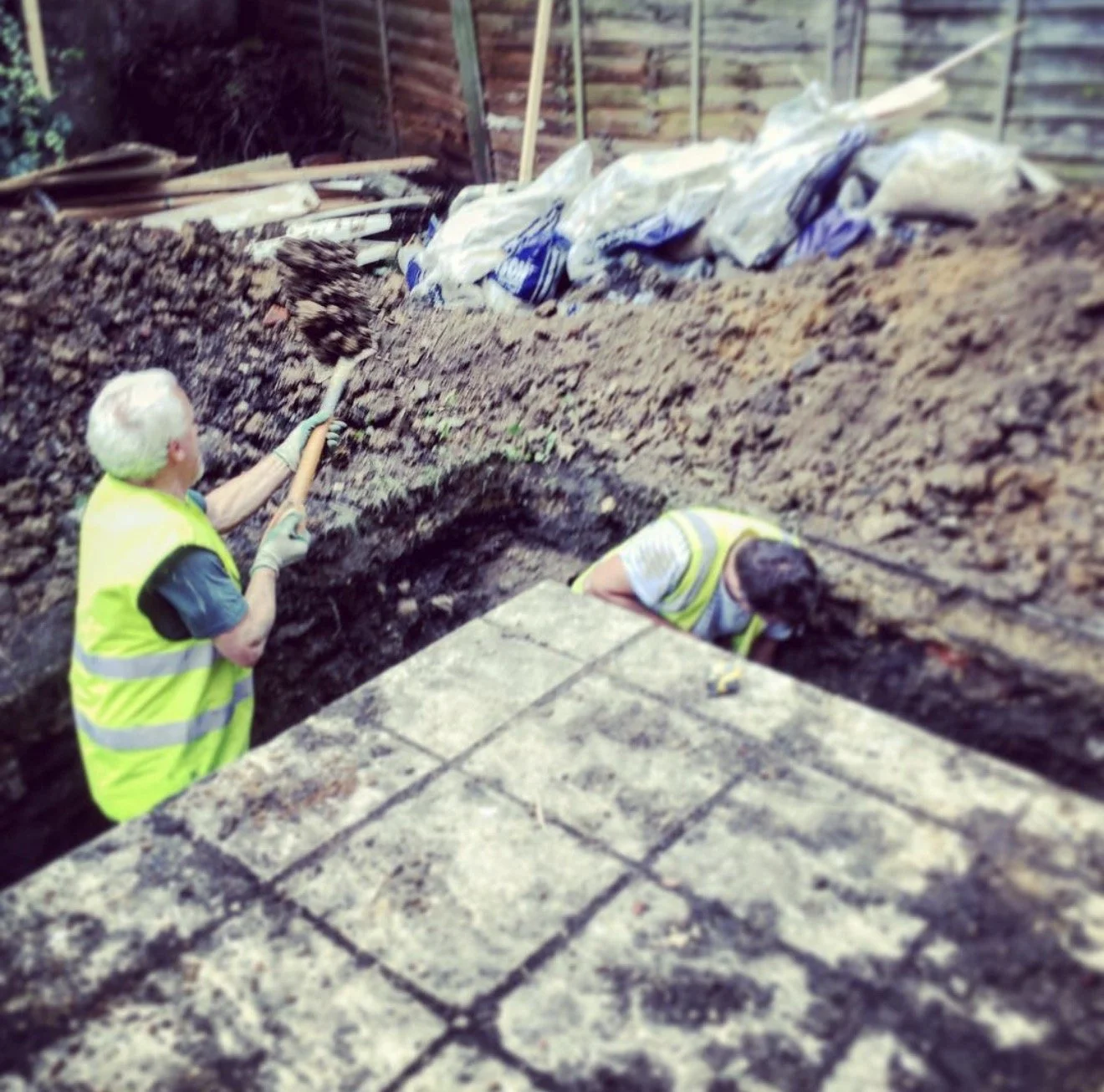
Breaking ground on our first independent project
The period around Covid exposed weaknesses that had been building for years.
Work disappeared almost overnight. At the same time we still had wages to pay, projects to deliver and commitments to honour. The years that followed brought another challenge. Projects that had been priced in one economic environment suddenly had to be delivered in another. Material costs rose dramatically. Labour costs rose dramatically. Jobs that had looked profitable became loss-making.
There were external factors involved.
There were also mistakes.
Mine.
I became too focused on turnover and not focused enough on profitability.
I carried risks for too long.
I believed hard work could solve problems that really required different decisions.
Eventually the company entered liquidation.
At the time it felt devastating.
With a bit of distance, I can now see it differently.
Not as something I am proud of, but as one of the most valuable and expensive educations I could have received.
The experience forced me to rethink almost everything I believed about running a construction business.
One of the biggest lessons was that turnover is vanity and profit is reality.
For years I looked at turnover as a measure of success. The bigger the number, the better things must be going.
What I eventually learned is that turnover can hide all sorts of problems.
A £10 million business can fail.
A £1 million business can thrive.
Profit is what keeps a business healthy. Without it, turnover is just a number.
Another lesson was the importance of cashflow.
One of the things that surprised me most when I entered construction was how many payment disputes occur.
Too many clients assume builders are large organisations with endless resources behind them. Most aren't.
The reality is that construction businesses spend money long before they receive it. Wages need paying every week. Materials need paying for before they arrive on site. Subcontractors expect to be paid promptly. HMRC certainly expects to be paid promptly.
A surprising number of projects end up in some form of dispute over money. In my experience, around one in three projects ends up involving some sort of delayed payment, withheld payment or argument about money.
It is exhausting for everyone involved.
It distracts from the project.
It frustrates site teams.
It damages relationships.
In some cases it can even starve a project of the resources it needs to progress properly.
The health of a construction project is often closely linked to the health of its cashflow.
I also learned that growth is rarely progress in construction.
Construction is full of businesses chasing growth.
You see new offices.
More vans.
More staff.
More hoardings.
More projects.
It looks impressive.
Sometimes it is impressive.
But what I've learned is that the thing that won those projects in the first place is often the very thing that gets diluted as a business grows.
The owner becomes less involved.
Decisions get pushed further down the chain.
Communication becomes slower.
Responsibility becomes blurred.
The Chinese whispers start.
The larger a business becomes, the harder it is to maintain control and consistency.
Growth can absolutely be a good thing.
But only if you can preserve the culture, standards and accountability that got you there in the first place.
I've become much less interested in being the biggest and much more interested in being good.
Fixed-price contracts taught me a few painful lessons too.
Clients understandably like fixed prices.
Builders like them too.
The challenge is that construction projects can last many months, sometimes years.
When material costs, labour costs or market conditions change dramatically, a fixed-price contract can quickly become a dangerous place to be.
That doesn't mean they should be avoided.
It means they need to be approached with care and realism.
Communication is another area where I've changed my thinking over the years.
People often assume disputes happen because of technical issues.
Sometimes they do.
Most of the time they don't.
Most disputes are about communication.
Or money.
Usually both.
A client isn't normally upset because a structural beam needed to be larger than expected.
They're upset because nobody told them.
They're upset because the cost changed unexpectedly.
They're upset because they feel they've lost control of the project.
Most clients can deal with problems.
What they struggle with is uncertainty.
The older I get, the more I believe that communication is one of the most important parts of construction.
Not because it prevents problems.
Because it prevents problems becoming disputes.
Another lesson is that good people need to be paid well.
Everybody wants value for money.
So do I.
But there is a limit to how cheaply good work can be delivered.
You can almost always find somebody willing to do something cheaper.
The question is whether you actually want them doing it.
One of the lessons I've learned is that good people need to be paid properly.
The best tradespeople have options.
The best site managers have options.
The best suppliers have options.
My job is not to deliver the cheapest possible project.
My job is to deliver a good project, carried out by good people, in a good way.
That doesn't mean spending money unnecessarily.
It means understanding where quality comes from and recognising that quality rarely appears by accident.
The final lesson is probably the most important.
Trust and reputation are everything.
I work close to home.
Most of our projects are within a few miles of our office.
I regularly see former clients years after a project has finished.
I see them in cafés, on the school run and walking around Battersea and Clapham.
You can't really hide from your reputation when you work that close to home.
Every project becomes part of your story, whether you like it or not.
For a while I viewed the liquidation as the defining event of my professional life.
Today I see it differently.
It was one chapter.
An important chapter, certainly.
But not the final one.
The experience made me more cautious, more thoughtful and more aware of risk than I was before.
It forced me to question assumptions I had held for years.
And ultimately it led to the creation of Bloom.
Would I rather have learned those lessons another way?
Absolutely.
But I would be lying if I said they haven't made me a better business owner, a better project manager and, I hope, a better builder.
Experience is a great teacher.
Failure is often a better one.
Ross Malone
Founder, Bloom Builders
Meet Ross Malone: Why I Started Bloom

People occasionally ask how I ended up running a building company.
The honest answer is that I never planned to.
I studied music at university and spent the early part of my career working in live events. Looking back, there are more similarities between events and construction than you might imagine. Both involve bringing together a lot of moving parts, solving problems under pressure and delivering something worthwhile against a deadline that always seems too ambitious.
My route into construction came through property development. My first role involved sourcing properties, obtaining planning permission, managing construction projects and then selling the completed homes. It was a fantastic education because I was involved in every stage of the process, from spotting an opportunity through to handing over the keys.
What interested me most wasn't the property side of things.
It was the building.
I enjoyed taking something that wasn't working and turning it into something that was. I enjoyed the practical problem-solving. I enjoyed working alongside skilled people and seeing an idea become something real.
Seventeen years later, that's still the part of the job I enjoy most.
The experience that probably shaped me more than any other wasn't a project for a client. It was a project on my own home.
Like many homeowners, I appointed a contractor to undertake major works. The project was agreed, the money was spent and the work wasn't finished. More money was requested and eventually the contractor disappeared altogether, leaving me with a half-finished house and a lot of problems to solve.
At the time it was stressful, expensive and incredibly frustrating.
Looking back, it was also one of the most valuable lessons of my career.
For the first time, I wasn't managing a project. I was the client.
I understood what it felt like to worry about money. I understood what it felt like to lose confidence in the people working on your home. Most importantly, I understood how exposed homeowners can feel when they are investing significant sums of money into something they may only do once in their lifetime.
In the end, I took over the project and finished it myself.
Some of the tradespeople I met during that process still work with me today.
That experience has influenced almost every project I have been involved with since.
One thing that still frustrates me about construction is how many problems are entirely avoidable.
Construction is difficult. Existing buildings are complicated. Things occasionally go wrong.
What shouldn't happen is poor communication.
In my experience, most disputes aren't caused by the problem itself. They're caused by how the problem is handled.
Most clients can cope with bad news.
What they struggle with is not knowing what's going on.
Over the years I have worked on hundreds of projects across South West London. Some have been small refurbishments. Others have involved major structural alterations, extensions, loft conversions and complete remodelling projects.
The projects I enjoy most are family homes.
Particularly the Victorian and Edwardian houses that make up so much of South West London.
A family buys a house because they can see the potential, even if it doesn't quite work yet. Over time a plan emerges. Perhaps it's a loft conversion, a rear extension or a complete refurbishment. Sometimes it means taking a house back to brick and starting again.
Those projects are rarely straightforward, but they're often the most rewarding.
One of the reasons I have stayed in construction is that I enjoy the permanence of it.
Most things get worse with age.
Good houses tend to do the opposite.
A thoughtful renovation can improve family life for decades. Long after the builders have left, children grow up in those rooms, people gather around those kitchen tables and life carries on around decisions that were made years earlier.
There is something satisfying about being a small part of that story.

Outside work, I live in SW11 and have done since leaving university. My four daughters attend local schools and most of our projects take place within a few miles of our office on Webb's Road.
One of the things I like about working locally is that it keeps you honest.
I regularly bump into former clients in cafés, on the school run and walking around Battersea and Clapham.
You can't really hide from your reputation when you work that close to home.
And, in my view, that's exactly how it should be.
Like anybody who has spent nearly two decades in business, I've experienced both successes and setbacks over the years and learned something from all of them. Some of those lessons have shaped the way Bloom operates today and continue to influence how we approach projects, clients and growth as a business.
Here’s the link to the Lessons Learnt article.
Thank you for reading
Ross Malone
Founder, Bloom Builders
The Hidden Costs That Surprise Homeowners Mid-Project
June 2026
Most homeowners start a renovation or construction project with a clear picture of what they want the finished space to look like. They know roughly how big it will be, where the new walls go, and how they want it to function. They may even have a ballpark budget in mind.
But once the build is underway, many of those same homeowners are surprised by some of the costs that suddenly start appearing. It’s not usually because their contractor is being difficult or because the original plan was poorly priced. It’s often because the original plan didn’t include the less obvious costs that naturally arise once construction starts.
At Bloom Builders, we believe in educating clients early so that decisions are made with eyes open, not halfway through a project when choices feel forced and budgets are already stretched. This article explains the most common hidden costs that catch homeowners off guard during a build. It outlines why they happen, when they typically appear, and how to account for them before they become a headache.
1. Survey Revisions and Unexpected Structural Issues
No matter how thorough the initial planning, once walls are opened or foundations exposed, surprises can emerge.
Many homeowners assume that a building survey, even a detailed one, reveals everything. The reality is that a survey can describe a condition based on what’s visible. It cannot always predict what lies behind plaster, under floorboards, or beneath concrete.
Common examples include:
Rot behind internal stud walls
Corroded joists
Subsidence
Historic repairs that were never documented
Poor drainage under existing slabs
Once uncovered, these issues must be addressed before work can continue safely. They matter because they often:
Require redesign or additional engineering input
Delay the programme while decisions are made
Add cost for remedial works
Homeowners are often surprised when what looked like a cosmetic renovation becomes a structural problem, not because it was an oversight, but because the problem wasn’t visible until the build was underway.
2. Ground Conditions and Unexpected Excavation Work
Foundations are one of the earliest major stages in a project, and excavating for them can reveal conditions that are much different than anticipated.
Even in London where many sites feel similar, ground conditions can vary dramatically from one property to the next. Clay, gravel, soft pockets, groundwater, old rubble, and even unknown service runs can all appear once digging begins.
Common surprises include:
Water ingress making trenches unstable
Pockets of poor soil requiring deeper foundations
Unmapped drains or service conduits
Hard rock requiring specialist excavation
These issues don’t just mean additional cost for excavation, they can affect the method of foundation installation, requiring heavier plant, additional labour, or design changes that affect concrete quantity and reinforcement.
Because foundations are one of the first big items on a programme, any delay or extra cost here sets the tone for the rest of the build.
3. Design Detail and Specification Choices
Homeowners often make design decisions early in the process, for example, choosing a kitchen layout or a bathroom suite, without realising that detail and specification influence cost much earlier than they think.
Here’s how that happens:
If plans specify a certain finish or product but don’t lock it in before pricing, the contractor provides a provisional allowance for budgeting purposes. An allowance is a placeholder, an estimate based on a general description.
Once the client picks an exact product, that provisional cost becomes a real cost. Sometimes the actual product is more expensive than the allowance. Other times it’s less. But either way, a revision is generated mid-project.
Common areas where this shows up:
Kitchen cabinetry or appliances
Bathroom tiling and sanitaryware
Windows and external doors
Lighting and electrical accessories
Flooring beyond structural finish
Because these choices are made on the “nice to have” side of a project, their costs are often taken less seriously in early budget discussions. But once installed materials are ordered and delivered, change becomes costly.
4. Regulatory & Compliance Requirements
Construction projects in London are governed by a web of regulations. Building control, fire safety, Party Wall requirements, environmental compliance, all mean that compliance costs can be uneven and are not always straightforward to estimate.
Some homeowners assume that planning approval covers everything. It doesn’t.
Examples of additional compliance costs include:
Party Wall awards and neighbour agreements
Building control inspections and remedial work
Structural engineer re-submissions following site discoveries
Upgrades required to meet latest standards
Regulatory changes can also occur between the time planning is granted and when work begins. When that happens, works already priced may need adjusting to comply with updated requirements.
These costs often feel like surprises because they sit outside the “visible” scope of the build, but they are every bit as necessary as foundations or roof work.
5. Alterations to Existing Services
When a build involves plumbing, drainage, or electrical systems, it often reveals that the existing services were not installed optimally in the first place.
Some common surprises:
Old drains collapsing or misaligned
Electrical mains not sufficient for new load
Plumbing arrangements that must be rerouted
Gas lines that need upgrading
These issues become visible only when work connects into existing systems. They matter because they can require specialist contractors, testing, certification, and sometimes service shutdowns, all of which add cost and time.
6. Weather and Programme Delays
London doesn’t have extreme weather extremes, but it is prone to rain, cold snaps, and wind, all of which affect external works.
Weather delays become costly when:
Scaffold time increases
Trades are stood down and remobilised
Materials sit exposed longer than planned
Site preliminaries continue
A three-day delay caused by heavy rain may sound trivial. But on a tightly sequenced project, it can mean lost productivity, increased labour hours, and extended hire of equipment.
Weather risk is real. It rarely shows up at quotation stage, but it often shows up in cost reports, and is a hard factor to predict.
7. Changing Mindsets Mid-Build
Nothing changes cost like changing decisions after a project has begun. Even small late decisions such as moving a door, resizing a window, altering a light layout can:
Require additional cutting or boxing-in
Create rework on floors and finishes
Lead to bespoke trims or replacements
Delay trades waiting for a settled scope
This is not inherently a negative, clients should be able to comfortably refine their vision to suit what is best for their renovation, but it remains a cost that many underestimate.
Once contractors are on site and trades have sequenced their works, changes that affect structure, finishes, or fit-outs rarely come without a price.
8. Waste, Access, and Site Constraints
London sites are often constrained — terraces, limited vehicle access, close neighbours, minimal storage — and these constraints become felt once materials arrive, waste must be removed, and plant is needed.
Extra costs can occur because:
Waste removal requires more frequent trips
Materials must be delivered in smaller loads
Storage must be coordinated to protect site logistics
Access restrictions delay deliveries or force night work
These issues don’t usually appear until the build is underway, yet they affect cost directly.
9. Unforeseen Services and Hidden Elements
Often the least expected cost driver is what you can’t see until you build. Examples include:
Old lintels hiding behind walls
Unrecorded structural systems
Redundant services left in walls or under floors
Hidden beams or steelwork
Unexpected bracing required for compliance
These discoveries affect cost because they alter scope, often under a variation, which is a formal adjustment to the original contract price.
How Homeowners Can Avoid Mid-Project Surprise Costs
The answer isn’t to guess every possible outcome, that would be neither practical nor realistic. The answer is informed preparation, which includes:
Start with Realistic Allowances
Ensure early estimates include clear allowances for finishes and products, instead of vague placeholders.
Invest in Better Surveys
Where possible, use invasive or specialist surveys before pricing so that structural or hidden issues are exposed early.
Plan for Contingency
A reasonable contingency is not optional — it’s essential. Depending on the project, that is often 10–15% of the overall budget.
Sequence Decision Points
Lock in design, materials, and finishes before key stages such as ordering, fabrication, or long-lead items.
Maintain Open Communication
Changes are normal, but transparent communication between homeowner, designer, and contractor means decisions are made with cost implications understood.
Hidden costs are not a sign of poor management or negligence. They are a natural part of construction, especially in older buildings and tightly constrained London sites. The key to avoiding shock isn’t eliminating every unknown, it’s educating clients early, setting expectations clearly, and planning for variables before they become problems.
A well-prepared homeowner who understands where hidden costs typically arise will feel far more in control, even when the inevitable surprises happen.
At Bloom Builders London, we aim to make that education part of the process from day one, not something revealed midway through a budget review.
Sources
Hidden Costs in Construction Projects, Cost Plan Group, https://costplangroup.com/hidden-costs-in-construction-projects/?utm.
The Hidden Costs Homeowners Forget During a Refurbishment, Milkov & Son Constructions, https://www.milkov.co.uk/blog-posts/the-hidden-costs-homeowners-forget-during-a-refurbishment?utm.
The Real Costs Behind Your Renovation Budget, MKW Builders, https://www.mkwbuilders.co.uk/blog/the-real-costs-behind-your-renovation-budget?utm.
Brick vs Block: How One Choice Can Add Tens of Thousands
May 2026
When clients ask why construction costs vary so much between projects that look similar on paper, the answer is rarely one dramatic mistake or a single line item gone wrong. More often, it comes down to a series of early decisions that quietly compound.
One of the most underestimated of those decisions is whether a structure is built primarily in brick or block. At first glance, the difference feels cosmetic. Both are familiar and common. Both have been used in UK construction for generations. But in reality, the choice between brick and block affects far more than appearance. It changes labour time, structural sequencing, insulation strategy, programme length, and critically, cost.
In some cases, it can add tens of thousands to a build without the client realising why until much later. This article breaks down how that happens, using a clear, real-world example to show why material choices are never just about materials.
The Assumption: Brick Equals “Better”
Many clients come into a project with an understandable assumption: brick is solid, traditional, and therefore the better option.
In the UK, brick carries a certain weight. It feels permanent and premium. It feels like the safe choice, especially in residential construction. So when early design conversations begin, brick often gets specified by default. The problem isn’t that brick is bad. The problem is that the implications of brick are rarely fully understood at that stage.
The Project: Two Near-Identical Builds
Consider a typical scenario of two residential projects, both in London:
Similar footprints
Similar heights
Similar layouts
Similar specifications
Similar end values
The only meaningful difference in the early design stage is this:
Project A: Traditional brick-and-block cavity construction
Project B: Blockwork structure with brick slips / alternative external finish
On drawings, they look almost identical. To a non-technical eye, they feel like the same building. On site and on the cost plan, they are not.
Where the Cost Difference Starts: Labour, Not Materials
The first surprise for many clients is that the biggest cost difference isn’t the price of the bricks themselves. It’s labour.
Bricklaying is slow, skilled, and sequential. Each brick is placed individually, levelled, aligned, and finished. Progress is measured in hundreds of bricks per day, not thousands.
Blockwork, by contrast, covers far more area per unit of labour. Blocks are larger, quicker to place, and more forgiving at structural stage. A blockwork structure can rise significantly faster than a brick structure using the same size team.
That speed difference has knock-on effects:
Shorter structural programme
Reduced preliminaries
Less scaffold hire time
Fewer weather-related delays
When you price that across an entire build, the difference becomes substantial.
The Hidden Multiplier: Programme Length
Programme length is one of the most misunderstood cost drivers in construction. Every extra week on site costs money, even if nothing “goes wrong”. Longer programmes mean:
Site management costs continue
Welfare and site setup remain
Scaffold stays up longer
Plant hire runs on
Insurance exposure increases
Brick-heavy builds typically take longer at the structural stage, especially in poor weather. That extended timeline doesn’t just affect bricklayers, it affects the whole renovation and build process.
Blockwork allows the structure to become weather-tight sooner, which means internal trades can start earlier and overlap more efficiently. That overlap is where real savings happen.
Insulation and Performance: Another Layer of Cost
Modern building regulations require high thermal performance. How you achieve that performance depends heavily on the structural system.
Traditional brick-and-block cavity construction often requires:
Wider cavities
More complex insulation detailing
Increased wall thickness
Blockwork structures with alternative external finishes can often achieve the same or better performance with simpler assemblies. That can affect:
Foundation widths
Floor area efficiency
Material quantities
Detailing time
Again, none of this looks dramatic in isolation. But combined, it moves the needle.
The Moment It Becomes Real: The Cost Review
In real projects, the difference often becomes clear at the cost review stage. A client sees two options priced side by side. Same layout. Same floor area. Same end result. One option comes in significantly higher. The instinctive reaction is often confusion.
The brick option carries more labour, more time, more sequencing constraints, and more exposure to delays. The block-based option trades traditional appearance for efficiency and control. That difference can easily reach tens of thousands on mid-sized residential projects, and more on larger ones.
Why This Choice Is So Easy to Miss
The reason this decision catches people out is timing. Brick vs block is often decided early, when:
Costs feel abstract
The build feels distant
Everything is still “on paper”
By the time the real cost implications are visible, changing course can mean redesign, re-approval, or planning amendments. At that point, many clients feel locked in.
This Isn’t About Cutting Corners
It’s important to be clear about what this example is not saying. This is not an argument against brick. Brick has real benefits, such as:
Durability
Fire resistance
Low maintenance
Visual continuity with surrounding buildings
For some projects, brick is absolutely the right choice. The point however is that it should be a conscious choice, made with full understanding of its impact, not an automatic one.
The Broader Lesson: Materials Shape More Than Cost
This brick vs block example works because it illustrates a wider truth about construction. Material choices don’t just affect what a building looks like. They alsp affect:
How long it takes to build
How risk is distributed
How trades interact
How flexible the programme is
How exposed the project is to market changes
When clients understand that, conversations shift. Decisions become calmer, more strategic, and less reactive.Brick vs block might sound like a technical detail. In reality, it’s a decision that can quietly add, or save, tens of thousands.
That’s why foundational cost education matters. Not to overwhelm clients with detail, but to give them clarity where it actually counts. In construction, small early choices rarely stay small for long.
Sources
Brick Vs Block Construction: Which Is Better For Your Project? [2025 Guide], S.A.M Brickwork Services, https://brickworkservicesscotland.co.uk/brick-vs-block-construction-which-is-better-for-your-project/?utm.
Cost Guide: Walls and Insulation, Build It, https://www.self-build.co.uk/cost-guide-walls-and-insulation/?utm.
Wondering how much it costs to build a house in 2026? Our self build expert reveals how much to budget, Home Building & Renovating, https://www.homebuilding.co.uk/advice/how-much-does-it-cost-to-build-a-house?utm.
Why the Cost of Materials Changes Everything in a Build
May 2026
When people think about the cost of a construction project, they often focus on the headline number: the final quote. But that number is really the result of dozens of moving parts, and one of the most influential factors is the cost of materials.
Materials don’t just determine what a building looks like. They shape how long it takes to build, how reliable the programme is, how flexible the design can be, and how well the finished space performs over time. Understanding how material costs work, and why they change, is one of the most valuable pieces of knowledge a client can have going into a build.
Materials Are the Backbone of Any Build
Every build, home extension, or refurbishment is fundamentally a collection of materials assembled in a specific order. Concrete, steel, timber, brick, insulation, plasterboard, roofing systems, finishes, each of which plays a structural or functional role.
What’s often overlooked is that materials typically account for 40–60% of the total construction cost, depending on the project type. Labour, design, preliminaries, and management make up the rest, but materials are the single largest variable. That means even small percentage changes in material pricing can have a noticeable impact on the overall budget.
Why Material Prices Change So Often
Material costs are not static, and they don’t behave like everyday consumer goods. Several external forces influence them, many of which are outside the control of contractors or clients.
1. Global Supply Chains
Most construction materials rely on international supply chains at some stage. Raw materials may be mined or harvested in one country, processed in another, and distributed from multiple hubs. Disruption anywhere along that chain such as transport delays, factory shutdowns, shipping constraints can ultimately heavily affect availability and price.
2. Energy Costs
Manufacturing materials like steel, cement, glass, and bricks is energy-intensive. When gas or electricity prices rise, production costs increase, and those costs are passed on. This is one of the biggest drivers behind recent price volatility.
3. Demand Cycles
Construction demand fluctuates. When housing activity increases or large infrastructure projects are commissioned, demand for materials rises. If supply can’t keep pace, prices follow.
4. Regulation and Compliance
Changes in building regulations, environmental standards, or sustainability requirements can alter how materials are produced or sourced. While these changes are often positive in the long term, they can temporarily increase costs.
5. Currency Movement
Many materials or components are imported. Exchange rate changes can directly affect prices, sometimes with little warning.
How Material Costs Affect Design Decisions
Material pricing doesn’t just influence the budget, it influences the design itself.
When architects and engineers are designing a project, they often make assumptions about material availability and cost. If those assumptions change later, the design may need to adapt. This can show up in several ways:
Structural systems may shift (for example, timber vs steel).
Cladding or façade materials may need to be reselected.
Internal finishes may be adjusted to stay within budget.
Buildability considerations may come forward earlier in the design process.
A design that looks great on paper but relies on volatile or long-lead materials can introduce risk. Early collaboration between designer, builder, and client helps ensure the design reflects real-world costs, not idealised ones.
Lead Times: The Hidden Cost Driver
Price is only part of the equation. Lead time is how long it takes for materials to arrive, can be just as impactful on the price outcome.
Some materials may be competitively priced but require long manufacturing or shipping periods. Others may be readily available but more expensive upfront. Delays in material delivery can cause:
Programme overruns
Extended site preliminaries
Labour downtime
Re-sequencing of works
Increased management costs
In many cases, the cheapest material on paper can become the most expensive once delays are factored in. This is why experienced contractors look at total cost impact, not just unit price.
Fixed Prices vs Reality on Site
Clients often ask why builders include allowances or contingencies for materials instead of fixed prices. The answer is risk. Quoting a build months before materials are purchased involves forecasting future prices. When markets are stable, this is relatively straightforward. When markets are volatile, locking in prices too early can expose one party to significant risk.
There are generally three approaches:
Fully Fixed Pricing - Low risk for the client, higher risk (and often higher price) from the contractor to protect against volatility.
Prime Cost or Provisional Sums - Shared risk, with flexibility to adjust once actual material costs are confirmed.
Open-Book or Cost-Plus Models - Full transparency, where the client sees actual material costs and pays accordingly.
Value Engineering: Not About Cutting Corners
When material prices rise, “value engineering” often gets mentioned. True value engineering is not about cheap substitutions. It’s about finding smarter ways to achieve the same outcome. That might include:
Using standard material sizes to reduce waste
Selecting materials with better availability
Reordering construction sequencing
Choosing systems with faster installation times
Considering lifecycle costs rather than just upfront cost
In many cases, spending slightly more on one material can reduce labour time or future maintenance costs, resulting in better overall value.
Sustainability and Material Cost
Sustainability is increasingly important, and it does influence material pricing Low-carbon materials, recycled content, and responsibly sourced products can carry higher upfront costs. However, they often deliver long-term benefits such as:
Improved energy performance
Reduced maintenance
Longer lifespan
Better compliance with planning and building standards
Increased property value
The key is understanding where sustainable materials make the biggest impact and balancing environmental goals with budget realities.
The Role of Early Procurement
One of the most effective ways to manage material cost risk is early procurement.
By identifying critical materials early, especially those with long lead times or volatile pricing, projects can:
Lock in prices sooner
Reduce exposure to market fluctuations
Protect the programme
Improve cash flow planning
Early procurement requires coordination and clear decision-making, but it can significantly reduce stress later in the build.
What Clients Can Do to Stay in Control
While clients can’t control global markets, they can control how they engage with the process. Practical steps include:
Making key material decisions early
Being open to alternative specificationsUnderstanding allowances in the contract
Asking how material risk is being managed
Prioritising performance and durability over trends
A well-informed client is far less likely to be surprised by cost changes.
At Bloom Builders London, we approach material selection and pricing with realism, transparency, and experience. By understanding how and why material costs change, clients are better equipped to make decisions that protect both their budget and their build. Construction will always involve variables. The key is knowing which ones matter most, and materials are right at the top of that list.
Sources
Costs for UK construction outstrips EU while exports fall, Uk Trade & Business Commission, https://www.tradeandbusiness.uk/news/costs-for-uk-construction-outstrips-eu-while-exports-fall?utm_.
The Impact of Fluctuating Material Costs on Global Supply Chains, CMIC Global, https://www.cmicglobal.uk/resources/article/The-Impact-of-Fluctuating-Material-Costs-on-Global-Supply-Chains?utm.
The Rising Cost of Materials: Impact on Construction Projects, FGA Architects, https://www.fga.build/article-2?utm.
Party Wall Agreements Explained Simply
April 2026
In London’s tightly packed built environment, where terraced houses, semi-detached properties and shared boundary lines are commonplace, it is essential to understand when a party wall agreement is required and what legal obligations arise if you are planning structural or boundary work. The term often causes confusion because it sits at the intersection of property law, neighbour relations, and construction regulation. This article offers clear, practical guidance on what party wall agreements are, when they are needed in England and Wales, how they work in practice, and why complying with the law matters for London projects.
What Is a Party Wall and Why Does It Matter?
A party wall is, in legal terms, a wall that straddles the boundary line between two properties belonging to different owners, or a wall that forms part of the structure of two adjoining buildings. This includes shared walls between terraced and semi-detached houses, and in some cases garden boundary walls that sit astride the boundary line. Structures such as floors or sections separating flats can also be party structures under the law.
The purpose of the Party Wall Act 1996 is to provide a statutory framework that protects the rights of both property owners and their neighbours when building works could affect a shared wall or adjacent structure. The framework exists independently of planning permission and Building Regulations: even if planning permission is not needed for a particular project, the Act may still apply.
In London, where properties are frequently attached and excavations (such as basements) are common, understanding these requirements upfront can prevent costly delays, legal disputes, or disruptive neighbour complaints.
When Is a Party Wall Agreement Required?
A party wall agreement is a legal requirement under the Party Wall Act when you intend to carry out certain types of building, excavation or structural work that affects a shared wall, structure, or boundary.
Work on an Existing Party Wall or Party Structure
If your project involves cutting into, underpinning, demolishing, rebuilding, or otherwise modifying a party wall, a party wall agreement will almost certainly be required. Examples include:
Installing structural supports such as steel beams in a shared wall.
Removing chimney breasts that are part of a party wall.
Thickening or raising the height of an existing shared wall.
Installing a damp-proof course that materially affects the wall fabric.
Underpinning shared walls during foundation works.
Typical London scenarios where this applies include loft conversions in terraced houses that require new beams to be inserted through the party wall, or traditional chimney stack removal in older housing stock.
Excavation Near a Neighbouring Property
The Party Wall Act governs excavations adjacent to another property’s foundations if the works fall within specified distances. If you plan to dig foundations, build a basement, or undertake deep excavation near a neighbour’s property, you must serve a party wall notice and, if necessary, secure an agreement. Generally, excavation work may require notice if:
It extends within 3 metres of a neighbour’s building where the depth of the excavation is lower than the neighbour’s foundation level.
It extends within 6 metres if the excavation interfaces with an imaginary 45-degree plane drawn downwards from the neighbour’s foundation.
In London, basement excavations are common, particularly in areas such as Kensington, Fulham and East London, where extensions below ground add living space. In such cases, party wall procedures almost always apply because of the proximity to neighbouring properties.
Building on or Near the Boundary Line
Any construction where you build up to, on, or astride the boundary line may activate the Party Wall Act. This includes:
Building a new wall on the boundary.
Erecting a wall that straddles the line separating two properties.
Building an extension, such as a side return, that incorporates a new boundary wall.
Terraced houses in London often sit directly at boundary lines, making side extensions or garden walls common examples where party wall arrangements are essential.
What Is the Legal Process Under the Party Wall Act?
The Party Wall Act 1996 establishes a formal notification and agreement process.
Serving a Party Wall Notice
To begin, you must serve a party wall notice on all affected neighbouring owners — known as “adjoining owners” — at least two months before work starts. The notice must describe the works you intend to carry out, giving enough detail for neighbours to understand the potential impact.
It is good practice in London contexts to serve notices even well before the minimum period, both to facilitate neighbour consent and to allow sufficient time for professional advice in complex projects.
Adjoining Owner Responses
Once served, the adjoining owner has 14 days to respond. They can express consent, dissent, or request amendments to the proposal. If all adjoining owners provide written consent, no further formal procedures are necessary beyond keeping records of the written agreement and condition of the property.
If any owner dissents or fails to respond, this triggers the appointment of one or more party wall surveyors who prepare a Party Wall Award (a formal agreement). The Award sets out:
The works to be undertaken.
How and when the works will be carried out.
Who is responsible for paying for what.
Provisions for protecting adjoining property and compensating for any damage.
In London, contractors and homeowners often commission experienced party wall surveyors because of the complexity of typical urban projects.
Surveyors and Costs
If neighbours cannot agree informally, the surveyors will manage the dispute resolution process. It is important to understand that the cost of the party wall surveyor and the preparation of the Award is typically borne by the building owner (the person undertaking the works). In practice, London projects with multiple adjoining owners may require several surveyors, each charging professional fees.
Key Distinctions: Party Wall Act vs Planning Permission and Building Regulations
An important source of confusion is the difference between a party wall agreement and planning permission or Building Regulations approval.
The Party Wall Act is separate from planning permission and Building Regulations.
Planning permission regulates land use and design.
Building Regulations ensure works comply with structural, safety, thermal, and fire standards.
Party wall procedures exist specifically to protect adjoining property owners when proposed works could affect shared or adjacent structures.
Complying with one does not remove the requirement to comply with the others. A project may require all three, or only one, depending on the scope of work.
In London, where permitted development rights are widely used to avoid formal planning applications, the mistaken belief that planning exemptions remove the need for party wall procedures is common. Clarifying this distinction early is fundamental to effective project planning.
What Happens If You Don’t Comply?
Failing to comply with the Party Wall Act can have significant consequences. If you begin works without serving the required notice, an adjoining owner can:
Seek an injunction to stop works.
Claim damages for any loss or damage attributable to the works.
Require retrospective compliance, which can delay the project and increase costs.
It is therefore critical to establish early whether party wall notices and agreements are needed, particularly in a dense urban context such as London.
Examples of London Projects That Commonly Require Party Wall Agreements
In practical terms, the types of projects in London where party wall procedures are frequently required include:
Loft conversions that involve cutting into party walls.
Side return extensions that sit on or near the boundary.
Basement excavations and underpinning near adjoining structures.
New boundary wall construction for rear garden extensions.
Chimney, beam or structural alterations affecting shared walls.
Understanding typical triggers for these requirements helps clients and builders avoid last-minute complications and ensures that timelines factor in the statutory notice periods and potential surveyor involvement.
Practical Tips for London Homeowners and Developers
1. Identify all potential adjoining owners early.
Terraced and semi-detached houses often have multiple adjoining owners who must be notified.
2. Serve notices well in advance.
Providing notice beyond the statutory minimum creates room for neighbour discussions and professional review.
3. Keep clear records.
Document all correspondence, agreements, and condition surveys of the party wall to protect all parties’ interests.
4. Engage professional advice.
When in doubt, seek guidance from a party wall surveyor or solicitor with local experience in London projects.
5. Communicate with neighbours.
Early, transparent communication usually reduces disputes and increases the likelihood of consent without formal surveyor involvement.
Sources
Party Walls and Agreement Explained, HomeOwnersAlliance, https://hoa.org.uk/advice/guides-for-homeowners/i-am-improving/party-wall-agreement/?utm.
Party Wall Agreement London: Complete Guide to the Party Wall Act 1996, Mayfair Studio, https://www.mayfairstudio.co.uk/blog/party-wall-agreement-london?utm.
Party Walls and Building Work, GOV.UK, https://www.gov.uk/party-walls-building-works?utm.
When Do You Need a Structural Engineer and What Do They Actually Do?
April 2026
When planning a construction project, most people comprehend the roles of the builders and architects, but less about the role of a structural engineer. Clients frequently ask when they actually need one, what they do day to day, and how they fit into the wider project team.
Structural engineers usually work behind the scenes, yet their contribution is fundamental to the safety, durability, and success of a building. This article explains what structural engineers do, when their involvement is required, and why they play such an important role in residential construction projects.
What Does a Structural Engineer Do?
A structural engineer is responsible for ensuring that a building or structure is safe, stable, and capable of carrying all the loads it will be subjected to during its lifetime. These loads include the weight of the building itself, the people and furniture inside it, and environmental forces such as wind, snow, and ground movement.
While architects focus on how a building looks and functions, structural engineers focus on how it stands up. They apply engineering principles and detailed calculations to design structural elements such as foundations, beams, columns, walls, and floors. Their work ensures that these elements work together efficiently and safely.
Structural engineers also assess how materials behave over time. Whether a structure is built from timber, steel, masonry, or reinforced concrete, each material responds differently to stress, moisture, temperature, and ageing. The engineer’s role is to select and design these materials so that they perform reliably for decades.
In addition to design work, structural engineers often investigate existing buildings. If cracks appear, floors begin to slope, or doors stop closing properly, an engineer can determine whether the issue is cosmetic or structural and recommend appropriate solutions.
Their work must comply with building regulations and recognised safety standards. In the UK, for example, structural designs must meet the requirements of Approved Document A, which governs structural safety. Engineers provide the calculations and reports that Building Control officers rely on when approving construction work.
What Structural Engineers Do Not Do
Structural Engineers are not responsible however for design, interiors or finishes. Similarly they do not oversea project management unless specifically appointed to do so, and do not replace the role of a builder or contractor on site.
Ultimately their responsibility is focused and highly specialised: ensuring that the structure is safe, compliant, and technically sound.
When Do You Need a Structural Engineer?
Not every home improvement project requires a structural engineer, but many do. In general, their involvement is necessary whenever the structural integrity of a building could be affected.
One of the most common reasons for engaging a structural engineer is when altering or removing load-bearing elements. Scenarios like this include:
Removing walls
Creating open-plan layouts
Installing large door or window openings
Adding structural steel beams
Most extensions and loft conversions.
Adding space to a property introduces new loads that the existing structure may not have been designed to support. An engineer will assess the foundations, walls, and floors to ensure they can safely accommodate the additional weight or design new structural elements where necessary.
Foundation work almost always requires engineering input. This includes underpinning, building on difficult ground, or constructing on sloping sites. Soil conditions vary widely, and foundations must be designed to suit the specific ground beneath a property. A structural engineer uses site information and, where required, soil investigation reports to design appropriate foundations.
Existing structural problems are another key reason to consult an engineer. Cracks in walls, sagging roofs, uneven floors, or signs of subsidence should always be professionally assessed. A structural engineer can identify the cause of the problem and determine whether remedial work is required, helping to avoid unnecessary or ineffective repairs.
Finally, a structural engineer may be required simply to satisfy regulatory or insurance requirements. Building Control authorities often require structural calculations for approval, and mortgage lenders or insurers may request a professional structural report before approving a loan or policy.
The Value of Involving a Structural Engineer Early
It is important to establish a structural engineer early in the process of the renovation. When structural engineers are involved early, ideally at the concept or design stage, they can work alongside the architect and builder to develop efficient and practical solutions. Early input helps avoid designs that are visually appealing but structurally inefficient or overly expensive to build.
Early collaboration also reduces the likelihood of delays. Structural calculations are often required for Building Control approval, and leaving this until the last minute can hold up construction. By addressing structural considerations from the outset, the project can progress more smoothly.
How Structural Engineers Work With the Rest of the Team
Construction projects rely on collaboration between several professionals, each with a distinct role. The architect develops the design and spatial layout, the builder is responsible for construction, and the structural engineer ensures that the building is safe and stable.
Rather than working in isolation, structural engineers coordinate closely with architects to ensure that structural solutions support the design intent. They also work with builders to ensure that their designs can be constructed efficiently using standard methods and materials.
This collaboration is particularly important on bespoke or complex projects, where creative design solutions must be carefully balanced with structural practicality and cost control.
What Deliverables Can You Expect From a Structural Engineer?
Their deliverables often include detailed structural drawings and written calculations. These documents specify the size, location, and materials for structural elements such as beams, columns, foundations, and floor structures. Builders rely on these documents to carry out the work correctly, and Building Control uses them to verify compliance.
Engineers may also provide written reports, particularly when assessing existing buildings or investigating structural issues. These reports explain the condition of the structure, identify any defects, and outline recommended remedial measures.
On some projects, structural engineers carry out site inspections during construction. These visits help ensure that the structural design is being implemented correctly and allow engineers to address unforeseen issues that arise once work is underway.
Cost Considerations
The cost of hiring a structural engineer varies depending on the complexity and scope of the project. Simple calculations for removing a wall may cost a few hundred pounds, while full structural design for a large extension or new build can cost several thousand.
While it may be tempting to see this as an optional expense, structural engineering input often saves money in the long term. Proper design reduces the risk of over-engineering, unnecessary materials, and costly remedial work. Most importantly, it ensures the safety and longevity of the building.
Structural engineers play a critical but often unseen role in construction projects. They provide the technical expertise that ensures buildings are safe, stable, and compliant with regulations, allowing architects and builders to do their work with confidence.
For Bloom Builders customers, understanding when and why a structural engineer is needed helps demystify the construction process and leads to better-planned, more successful projects. Whether you are opening up a space, extending your home, or addressing an existing issue, involving the right professionals at the right time is one of the best decisions you can make.
Sources
Structural Engineers: When Do I Need One?, Home Building & Renovating, https://www.homebuilding.co.uk/advice/structural-engineers?utm.
What Is A Structural Engineer?, Construction.org, https://construction.org.uk/structural-engineer/?utm_
Structural Engineers: What do they do & When do you need one, HomeOwnersAlliance, https://hoa.org.uk/advice/guides-for-homeowners/i-am-improving/need-structural-engineer/?utm
What Drawings Are Needed for Building Control Approval?
March 2026
If you’re planning building work on your home, you’ve probably heard that you’ll need “building control approval.” It’s often mentioned in the same breath as planning permission, but the two serve very different purposes. Planning is concerned with how your project looks and how it affects the surrounding area. Building control is about how it’s built, whether it’s structurally sound, safe, energy-efficient and compliant with the UK Building Regulations.
One of the most common questions homeowners ask is: what drawings do I actually need? The short answer is that building control requires detailed technical drawings that clearly demonstrate compliance. These are not just layout sketches or planning visuals. They are working documents that explain how your project will be constructed and how it will meet safety and performance standards.
The exact requirements vary depending on the scope of work, but there are some consistent elements across most projects.
The Core Drawings Most Projects Require
Every building control submission starts with a clear set of architectural drawings. These provide the framework for assessing compliance.
Location plan
This shows where your property sits in relation to surrounding buildings and boundaries. It confirms the site of the proposed works and provides context for the inspector reviewing the application.
Existing and proposed floor plans
These are essential. They show what currently exists and what is changing. If you’re removing a wall, adding an extension, converting a loft or reconfiguring rooms, it all needs to be clearly illustrated. Room uses, dimensions, wall thicknesses and structural changes should be easy to understand at a glance.
Elevations
Elevations show the external faces of the building and indicate heights, window and door positions, and overall proportions. For building control, they help demonstrate compliance with areas such as fire escape windows, structural alignment and roof heights.
These drawings form the backbone of the submission. However, on their own, they are rarely enough.
Technical Sections and Construction Details
This is where building control drawings move beyond general layout and into true compliance territory. Sections and detail drawings explain how the building is physically put together.
Cross-sections cut through the building to reveal:
Foundation design and depth
Floor build-ups and insulation layers
Wall construction and cavity insulation
Roof structure and ventilation
Damp-proofing and waterproofing measures
These details are critical because they show how your design meets requirements relating to structure (Part A), fire safety (Part B), energy efficiency (Part L), ventilation (Part F) and other relevant parts of the regulations.
For example, if you are building an extension, building control will want to see how the new walls achieve current thermal standards and how the roof avoids condensation risk. If you’re converting a loft, they will look closely at the new floor structure, stair design and fire protection measures.
The more clearly these details are drawn, the smoother the approval process tends to be.
Structural Drawings and Calculations
If your project involves altering load-bearing elements, you will almost certainly need input from a structural engineer.
This typically applies when:
Removing or altering structural walls
Installing steel beams (RSJs)
Adding significant weight to an existing structure
Undertaking a loft conversion
Building a basement
Structural drawings are accompanied by calculations that demonstrate the proposed design can safely support loads. Building control will assess these to ensure compliance with structural safety standards.
Trying to proceed without proper structural documentation often leads to delays, additional costs and potential safety risks.
Drainage and Services Information
For extensions, basement works or significant internal alterations, drainage drawings are commonly required. These show how foul and surface water will be managed and may include:
Pipe routes and gradients
Inspection chambers
Connections to existing systems
Soakaways or attenuation measures
Poor drainage design can cause long-term issues, so this is an area building control reviews carefully.
Mechanical and electrical layouts are not always required in full detail for domestic projects, but compliance still needs to be demonstrated. This may involve showing ventilation strategies for bathrooms and kitchens, heating layouts, or confirmation that electrical work will be carried out by a certified contractor.
Fire Safety and Means of Escape
Fire safety becomes particularly important in loft conversions, larger refurbishments and projects involving layout changes.
Drawings may need to demonstrate:
Protected escape routes
Fire doors and their ratings
Smoke alarm locations
Fire-resistant construction between floors
Escape window sizes and positions
Even relatively modest changes can trigger additional fire safety requirements, so it’s important that drawings are assessed in the context of the whole house, not just the new work.
Supporting Documentation
Drawings are often supported by written specifications and calculations. These help clarify materials and construction methods where necessary.
A specification might confirm:
Insulation types and thicknesses
Fire ratings of doors and walls
Waterproofing systems
Structural timber grades
Energy calculations, such as U-value assessments, are frequently required for new extensions or alterations to the building envelope. In some cases, more formal energy assessments may be needed.
While this paperwork may feel technical, it plays an important role in demonstrating compliance before work begins.
Full Plans vs Building Notice
When applying for building control approval, you typically choose between a Full Plans submission and a Building Notice.
A Full Plans application involves submitting detailed drawings and receiving formal approval before starting work. This route provides greater certainty and reduces the risk of mid-project surprises.
A Building Notice allows work to begin without prior approval of detailed plans, but compliance is checked during construction. While suitable for smaller projects, it offers less reassurance and can lead to on-site changes if something doesn’t meet regulations.
For most substantial works, investing in a comprehensive drawing package and submitting Full Plans tends to be the more secure option.
What Happens After Submission?
Once submitted, your drawings are reviewed by either the local authority building control department or an approved inspector. They assess the plans against current Building Regulations and may request amendments or further details.
After approval, inspections take place at key stages of the build, such as:
Foundations
Structural installations
Insulation before covering
Final completion
The completed work must match the approved drawings. At the end of the process, a completion certificate is issued. This document is crucial for future property sales and provides confirmation that the work complies with regulations.
Why Getting the Drawings Right Matters
Building regulations drawings are more detailed than planning drawings for a reason. They are about safety, performance and longevity.
Clear, thorough drawings:
Reduce the risk of costly changes during construction
Help contractors price and build accurately
Demonstrate compliance before work begins
Provide reassurance to building control inspector.
Most importantly, they protect you as the homeowner. They ensure that your investment is being built to recognised standards and that hidden elements — structure, insulation, fire protection — are properly considered.
In the end, building control approval isn’t just a box-ticking exercise. It’s a safeguard. The right drawings bring clarity to the process, minimise uncertainty and build trust between you, your designer, your builder and the authorities overseeing the work.
If you approach this stage with the right level of detail and professional input, it becomes a structured and predictable part of your project rather than an obstacle. And that clarity, more than anything, is what keeps a build running smoothly from paper to completion.
Sources
Building Regulation Drawings in London, Extension Architecture, https://extensionarchitecture.co.uk/building-regulations/.
The A-Z of building regulations drawings with building regs checklist, Urbanist Architecture, https://urbanistarchitecture.co.uk/building-regulations-drawings/#:~:text=Your%20building%20regulations%20plans%20should,calculations%2C%20specifications%20and%20construction%20notes.
When Are Building Regulation Drawings Needed in London, Mammoth Design & Build, https://www.mammothbuilds.co.uk/advice/when-are-building-regulation-drawings-needed-in-london.
Do You Need Planning Permission or Is Permitted Development Enough?
February 2026
If you are thinking about extending, renovating, or reconfiguring your home in London, one of the first questions that usually comes up is whether you actually need planning permission. You may have heard friends or builders say, “It’s fine, it’s permitted development,” while others warn you that you must go through a full planning application. The reality sits somewhere in between.
Understanding the difference between planning permission and permitted development rights can save you time, money, and stress. It can also prevent costly mistakes that only come to light when you try to sell your home or if the council gets involved mid-build. This article is designed to help you make an informed early-stage decision about which route applies to your project, before you get too far down the line.
Planning Permission vs Permitted Development Explained Simply
Planning permission is formal approval from your local authority to carry out a specific type of development. It involves submitting drawings, supporting documents, and waiting for a decision, which can take several weeks or longer.
Permitted development, often shortened to PD, is a set of national rules that allow certain types of work to be carried out without applying for full planning permission. These rights are automatically granted to many homes, as long as the proposed works stay within strict limits and conditions.
In London, where housing stock is varied and space is at a premium, permitted development plays a big role in helping homeowners adapt their properties. However, it is also one of the most misunderstood parts of the planning system.
When Permitted Development Is Usually Enough
For many common home improvements, permitted development is designed to cover exactly the sort of changes homeowners want to make.
Internal Renovations
If your project is entirely internal, planning permission is rarely required. Updating kitchens or bathrooms, rewiring, reconfiguring layouts, or redecorating all fall outside planning control in most cases. Even removing or adding internal walls is generally fine from a planning perspective.
That said, internal works are still subject to building regulations. Structural changes, insulation upgrades, and fire safety measures must meet current standards, regardless of whether planning permission is needed.
Loft Conversions
Loft conversions are one of the most popular home improvements in London, and many can be carried out under permitted development.
As a general rule, loft extensions are permitted if they stay within volume limits. For terraced houses, this is typically up to 40 cubic metres. For detached and semi-detached houses, the allowance usually increases to 50 cubic metres. The extension must not extend beyond the roof slope of the principal elevation that faces the street, and materials should be similar in appearance to the existing house.
Roof height cannot be increased, and side-facing windows usually need to be obscure glazed. While these rules sound straightforward, small design changes can quickly tip a loft conversion out of PD territory.
Rear Extensions
Single-storey rear extensions are often possible under permitted development, which is why so many London homes have added kitchen or living space at the back.
The depth and height limits depend on the type of property. For houses, rear extensions are typically allowed up to three or four metres deep, depending on whether the house is detached or not. Heights are also restricted, particularly near boundaries.
There is also a larger home extension scheme that allows deeper extensions in some cases, but this usually involves a prior approval process with the council. While this is not full planning permission, it is not automatic either.
Garage Conversions
Converting an existing garage into habitable space is often permitted, as long as the work does not involve extending the building or changing its overall use. Many garage conversions are internal alterations, which planning does not usually control.
However, parking requirements, conservation area rules, and previous planning conditions can all affect whether PD rights apply.
When Full Planning Permission Is Required
While permitted development covers a lot, there are clear situations where planning permission is unavoidable.
Listed Buildings and Conservation Areas
If your property is listed, permitted development rights are very limited or removed entirely. Almost all alterations, both internal and external, will require listed building consent, and often planning permission as well.
Conservation areas also come with additional restrictions. While some permitted development rights still apply, they are often reduced, particularly for visible changes such as extensions, roof alterations, or new windows. Many London boroughs have extensive conservation areas, so this is always one of the first things to check.
Extensions Beyond Permitted Limits
If your proposed extension exceeds the size or height limits set out under PD rules, you will need full planning permission. This commonly applies to rear extensions that go deeper than the allowed three or four metres, or side extensions that are wider than half the original house.
Two-storey extensions almost always require planning permission, as do extensions that significantly alter the character of the property.
Major Structural Changes
Adding additional storeys, significantly altering the front façade, or making changes that impact how the building is perceived from the street will usually trigger the need for planning permission.
In dense urban areas like London, councils pay close attention to how development affects neighbours, daylight, privacy, and the overall streetscape. These factors are assessed through the planning process rather than permitted development.
Change of Use
Changing how a building is used often requires planning permission. Examples include converting a single house into flats, turning a commercial property into residential use, or using part of your home for certain business purposes.
Some changes of use are allowed under permitted development, but these are subject to specific criteria and often involve a prior approval application.
London-Specific Considerations You Should Not Ignore
London has its own planning quirks, and these can have a big impact on whether permitted development is enough for your project.
Article 4 Directions
Many London councils use Article 4 Directions to remove permitted development rights in specific areas. This is often done to protect the character of neighbourhoods or manage housing supply.
If your property is in an area covered by an Article 4 Direction, works that would normally fall under permitted development may require planning permission instead. This can catch homeowners out, especially with loft conversions or changes of use.
Always check with your local authority or planning consultant before assuming PD rights apply.
Lawful Development Certificates
While not compulsory, applying for a Lawful Development Certificate, often called an LDC, is strongly recommended when carrying out work under permitted development.
An LDC is formal confirmation from the council that your proposed or completed works are lawful and do not require planning permission. This document can be invaluable if you sell your home in the future or if questions arise about the legality of the works.
Without an LDC, you may struggle to prove that your development was permitted, even if it fully complied with the rules at the time.
Building Regulations Are Separate
One of the most common misconceptions is that permitted development means no approval is needed at all. In reality, planning and building regulations are two separate systems.
Almost all structural work, extensions, loft conversions, and garage conversions require building regulations approval. This covers areas such as structural safety, insulation, ventilation, soundproofing, and fire safety.
Skipping building regulations approval can lead to serious problems, including enforcement action and difficulty selling your property.
Why Early Advice Matters
At the early stages of a project, it can be tempting to rely on online guides or hearsay. While general information is helpful, small details can make a big difference in planning terms.
The age of the property, previous extensions, local planning policies, and even how your house compares to its neighbours can all affect whether permitted development applies. What worked for the house next door may not work for yours.
Speaking to an architect, planning consultant, or experienced designer early on can help you understand your options clearly. This can shape the design from the outset, reducing the risk of delays or redesigns later.
Making the Right Call for Your Project
So, do you need planning permission, or is permitted development enough? For many smaller, rear-facing, or internal projects in London, permitted development can be a straightforward and efficient route. It allows homeowners to improve their properties without the time and uncertainty of a full planning application.
However, PD rights are not a blanket approval. They come with conditions, limitations, and local exceptions that must be carefully checked. Conservation areas, listed buildings, Article 4 Directions, and ambitious designs often push projects into planning permission territory.
The safest approach is to treat permitted development as a legal framework rather than a shortcut. Confirm that your proposals comply, consider applying for a Lawful Development Certificate, and always factor in building regulations.
By understanding the difference early on, you can move forward with confidence, knowing that your project is not only well designed, but also legally sound.
Sources
Do I need planning permission? HomeOwners Alliance, https://hoa.org.uk/advice/guides-for-homeowners/i-am-improving/do-i-need-planning-permission/.
Home renovating: Do I need planning permission? London’s Built Environment Community, Feb 2021. https://nla.london/news/home-renovating-do-i-need-planning-permission.
Planning Permission for Home Renovation, Tango Interiors, https://www.tangointeriors.co.uk/planning-permission-for-home-renovations/.
Building Regulations in London - Permitted Development VS Full Planning Permission, RoseLinePremier Construction & Design, https://www.roselinepremier.com/articles/building-regulations-in-london-permitted-development-vs-full-planning-permission/.
The Step-by-Step Guide to Extending a Victorian House
February 2026
Victorian houses are some of the most recognisable and sought-after homes in the UK, particularly in London. Their proportions, detailing, and craftsmanship have stood the test of time, and for many homeowners, they offer the perfect blend of character and opportunity for investment.
But while these homes are undeniably beautiful, they weren’t designed for modern living. Separate reception rooms, smaller kitchens, and a lack of open-plan space often mean that extending becomes a natural next step.
If you’re considering extending a Victorian house, this guide will walk you through the history, the quirks, the structural realities, and the best ways to approach a renovation that respects the past while embracing the present.
A Brief Historical Context
The Victorian period (1837–1901) coincided with one of the most dramatic population booms in British history. London alone grew from around one million residents in 1800 to more than six million by the end of the century. As industry flourished and urban centres expanded, housing had to keep pace. The result was an extraordinary wave of construction. Across Britain, millions of homes were built during the 19th century, many of which still stand today. Entire neighbourhoods in London and other cities are defined by Victorian terraces, villas, and townhouses.
Unlike much of today’s fast-paced construction, these homes were built with longevity in mind. Materials were robust, craftsmanship was valued, and architectural detailing was considered an essential feature rather than an afterthought. That’s a large part of why Victorian houses remain such solid candidates for renovation and extension today.
What Makes a Victorian House Victorian?
Victorian homes are rich in character. Even modest terraces often include detailing that would feel luxurious in a modern build.Some of the defining features include:
Solid brick construction, often with decorative brick patterns
Steep slate roofs and ornate barge boards
Bay windows, particularly at ground floor level
Large sash windows that flood rooms with light
High ceilings, typically between 2.7 and 3 metres
Decorative cornicing and ceiling roses
Fireplaces in multiple rooms
Geometric tiled entrance floors
Narrow yet deep floor plans designed to maximise street frontage
Internally, layouts reflected the social norms of the time. Homes were divided into clearly defined rooms, each with a specific purpose. The dining room was separate from the sitting room. Kitchens were often located at the rear, sometimes partially below ground level. Formality and hierarchy influenced spatial arrangement, and these layouts are pretty consistently found throughout all Victorian builds.
This compartmentalised design contrasts sharply with today’s preference for open-plan, flexible living. This is why rear and side return extensions are currently so popular in Victorian properties.
Victorian houses do have a reputation for being cold and draughty, Open fireplaces in most rooms, single-glazed sash windows, and a lack of insulation contribute to this perception.
However, this doesn’t mean they can’t be warm.Many homeowners improve thermal performance by:
Sealing unused fireplaces
Installing high-quality double-glazed sash replacements
Improving floor and roof insulation
Adding internal wall insulation where appropriate
While these homes weren’t originally designed with modern energy efficiency standards in mind, thoughtful upgrades can dramatically improve comfort levels and heat efficiency without compromising character.
Another common assumption is that Victorian houses are difficult to modernise, that they are too rigid or delicate to adapt. In reality, they are remarkably robust structures.
Their thick load-bearing walls and generous ceiling heights provide excellent scope for creative redesign. With the right architectural approach, it’s entirely possible to retain original charm while introducing contemporary finishes, glazing, and layouts.
In fact, some of the most striking renovations combine original cornicing and fireplaces with minimalist extensions, large-format glazing, and modern joinery.
Step One: Incorporating the Original Architecture
Before diving into plans, take time to understand the existing building.
Victorian houses often have:
Load-bearing masonry walls
Timber floor structures
Chimney stacks that affect layout options
Party walls that require careful structural consideration
Working with these elements, rather than against them is key. High ceilings are a gift. They create a sense of volume and allow for dramatic glazing in extensions. Thick walls provide excellent acoustic separation. Original features such as cornicing, fireplaces, and sash windows should be assessed carefully before removal.
A successful extension doesn’t erase history. It enhances it.
Step Two: Explore Hidden Opportunities - Lofts and Cellars
One of the major advantages of many Victorian homes is the potential space already within the structure.
Loft Conversions
Thanks to steep roof pitches, loft conversions are often relatively straightforward. This makes them a popular option for adding:
An additional bedroom
A home office
A master suite with en-suite bathroom
Because the footprint of the building remains unchanged, loft conversions can be a cost-effective way to gain space without sacrificing garden area.
Cellars and Basements
Many Victorian homes also include cellars or basements. While they may have originally been used for storage or coal, these spaces offer significant potential.
With proper waterproofing and structural work, a cellar can become:
A media room
A utility space
A gym
A guest bedroom
Utilising existing space can reduce the need for large-scale structural additions, keeping costs and planning complexity more manageable.
Step Three: Choose the Right Type of Extension
When additional ground-floor space is needed, several extension options are particularly suited to Victorian homes.
Rear Extensions
Rear extensions are perhaps the most common choice. They allow homeowners to open up the back of the house and create a large kitchen-dining-living space that connects directly to the garden.
Incorporating rooflights and large sliding or bifold doors transforms previously dark rear rooms into bright, social hubs. The contrast between a traditional front façade and a contemporary rear addition can be incredibly effective.
Side Return Extensions
Many Victorian terraces include a narrow strip of unused land at the side of the kitchen, known as a side return. Originally designed to allow light into back rooms, these spaces are often underutilised.
Building into the side return can significantly widen a cramped kitchen, turning it into a functional, light-filled space without dramatically altering the footprint.
Wraparound Extensions
For maximum impact, a wraparound extension combines a rear and side return extension.
This approach can completely reconfigure the ground floor, creating generous open-plan layouts that better suit modern life. Structural steel is typically introduced to remove internal walls and support upper floors.
While more complex, wraparound extensions often deliver the most dramatic transformation.
Step Four: Blend Old and New Thoughtfully
A common question in Victorian renovations is whether to replicate traditional detailing or introduce something contemporary.
There’s no single correct answer — but clarity of intention is important.
Some homeowners choose to mirror original brickwork and rooflines so the extension feels seamless. Others opt for clean-lined glazing, zinc roofing, or minimalist detailing to clearly distinguish old from new.
Both approaches can work beautifully.
What matters is proportion, material quality, and sensitivity to context. A well-designed extension should feel intentional rather than imitative.
Step Five: Plan for Sustainability
Extending an older home presents an opportunity to make environmentally responsible upgrades.
Consider integrating:
LED lighting throughout
High-performance glazing
Solar panels on new roof sections
Air source or ground source heat pumps
Underfloor heating in extension areas
Sustainable timber or recycled materials
Because you’re already undertaking structural work, this is often the ideal moment to upgrade insulation and improve overall energy performance.
Balancing heritage with sustainability requires careful planning — but it is entirely achievable.
Step six: Navigate Planning and Regulations
Many Victorian homes fall within conservation areas, particularly in London. This can affect:
The materials used in extensions
The visibility of additions from the street
Window replacements
Roof alterations
Engaging an experienced architect or planning consultant early in the process can help avoid costly redesigns later.
Even when planning permission isn’t required under permitted development rights, building regulations approval will always be necessary to ensure structural and thermal standards are met.
Bringing It All Together
Extending a Victorian house is as much about understanding history as it is about creating the future.
These homes were built during a period of extraordinary urban growth and craftsmanship. Their solid construction and elegant detailing make them highly adaptable, despite common misconceptions.
By respecting original architecture, exploring loft and cellar opportunities, selecting the right extension type, and integrating sustainable upgrades, you can create a home that feels both timeless and contemporary.
Victorian houses were designed to endure. With thoughtful renovation, they can continue to serve modern families for generations to come, offering the charm of the 19th century alongside the comfort and flexibility of 21st-century living.
Sources
Steps to Success: Extending and Refurbishing a Victorian House, Christopher David Design, Aug 2024. https://www.christopher-david.co.uk/steps-to-success-extending-and-refurbishing-a-victorian-house/.
The Modern Way to Extend Victorian Properties, Design Team, Aug 2024. https://www.designteam.co.uk/blog/modern-way-to-extend.
The Architect’s Guide to Extending and Refurbishing a Victorian House, Urban Architecture, Jan 2025. https://urbanistarchitecture.co.uk/extending-refurbishing-victorian-house/.
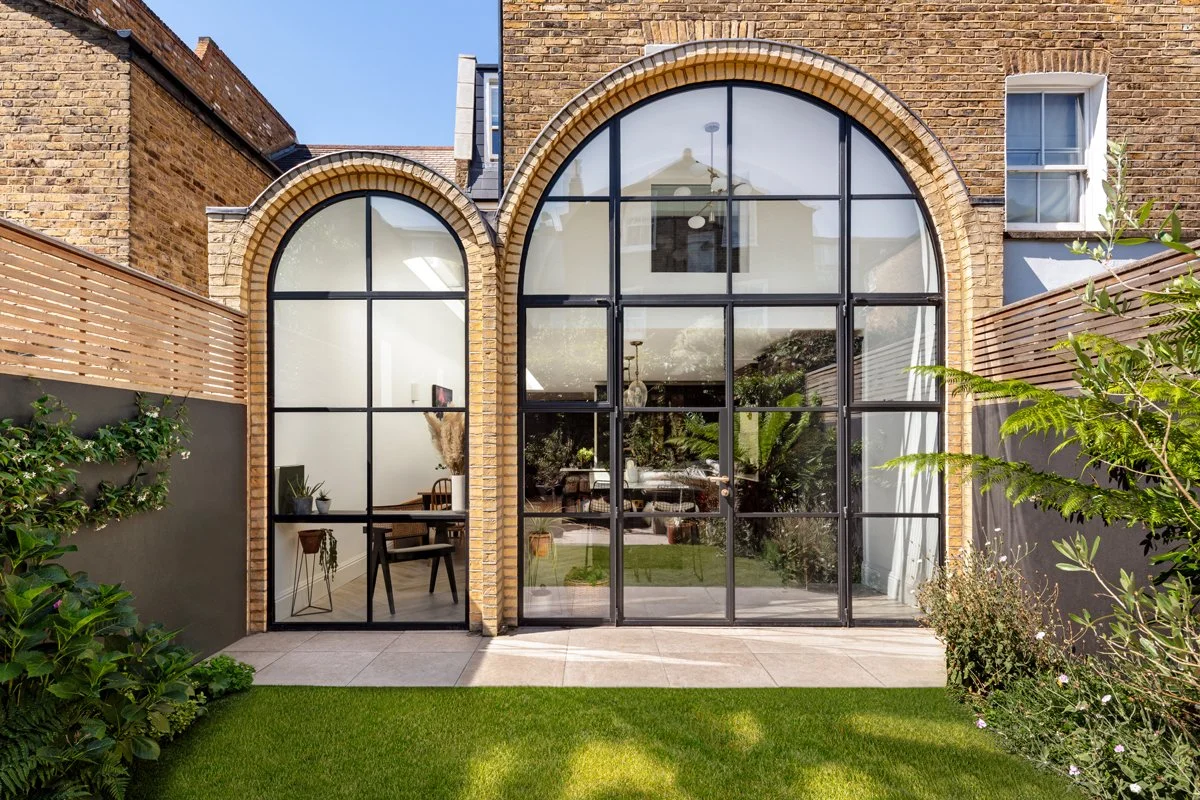
The Arches, Featured by rampton Baseley
Our beautiful project, The Arches, Hillier Road, SW11 has been featured by Rampton Baseley estate agents.
This was a full design and build project with stunning results.
For more info on the project check out the portfolio page
Is a Wraparound Extension the Right Choice for Your Home?
In a city like London, where space is limited and families often outgrow traditional layouts, a wraparound extension offers a smart, impactful solution. By combining a rear extension with a side return extension, this innovative design unlocks underused space and transforms the way your home works for you.
But is it the right choice for your family?
In this guide, we explore the key benefits, practical considerations, and signs that a wraparound extension could be exactly what your home — and your lifestyle — needs.
What Is a Wraparound Extension?
A wraparound extension merges two popular types of home extensions:
A rear extension, which extends out into the garden
A side return extension, which makes use of the narrow alleyway beside many Victorian or Edwardian London homes
Together, they form an L-shaped footprint that typically adds 10–20 square metres of ground floor space — without consuming your entire garden.
The result? A light-filled, flexible, and open-plan space ideal for modern family living.
You Need More Space — Without Moving House
For many families, renovating is less about luxury and more about necessity. As children grow, working from home becomes more permanent, and daily routines evolve, the home can start to feel cramped.
A wraparound extension delivers the extra room you need without the hassle of moving. You can stay in your chosen neighbourhood — near good schools, familiar parks, and established communities — while adapting your home to suit your changing needs.
At Bloom Builders, we’ve helped countless London families reconfigure their ground floors to make space for:
Spacious kitchens and dining zones
Family rooms and play areas
Home offices and utility spaces
All without sacrificing the comfort of home.
You Want an Open-Plan Kitchen-Diner That Works for Family Life
One of the most common goals for a wraparound extension is to create a large open-plan kitchen-diner. By extending both rear and side and removing internal walls, you can design a bright, multi-functional space that connects seamlessly with your garden.
This layout isn’t just about aesthetics — it’s deeply practical. It allows for:
Cooking while keeping an eye on the kids
Stress-free weekday mornings
Sociable family evenings and entertaining
Natural light is a key feature too. With rooflights over the side return and wide bifold or sliding doors at the rear, you’ll enjoy a bright, airy space that’s rare in period properties.
You Live in a Victorian or Edwardian Terrace or Semi-Detached Home
Wraparound extensions are particularly well-suited to London’s older housing stock. Most Victorian and Edwardian homes have a small kitchen at the rear and a narrow side return that’s often overlooked or used for bins and storage.
Rather than:
Building upwards (which is costly and more complex with planning),
Digging down (which is time-consuming), or
Losing all your garden space,
A wraparound extension offers a balanced and efficient way to add space. It works with the natural flow of the home while maintaining period charm.
You’re Ready for a Thoughtful, Design-Led Renovation
A successful wraparound extension isn’t just about square metres — it’s about intelligent design.
At Bloom Builders, every project begins with your family’s needs. Our design-led approach means we:
Customise layouts around your lifestyle
Respect and enhance the character of your home
Consider storage, lighting, acoustics, and layout from the start
Help you select high-quality, durable finishes that feel personal
From underfloor heating to integrated seating, every detail is planned to make your new space both beautiful and functional.
You’re Prepared for the Timeline and Investment
It’s important to understand the practical side. A wraparound extension is a major home renovation, and the full process — from design and planning through to build and finish — typically takes 4–8 months, depending on the complexity.
You’ll need to factor in:
Planning permission, especially in conservation areas
Party wall agreements if your property adjoins others
Temporary kitchen arrangements during construction
While it’s a significant investment, a well-executed wraparound extension can increase your home’s value by 20–30% — making it one of the most impactful upgrades available to London homeowners.
Final Thoughts
If you’re craving more space, better light, and a layout that works harder for your family, a wraparound extension could be the perfect answer. It’s a smart, design-led way to reimagine your home — without giving up on location or period charm.
At Bloom Builders, we specialise in thoughtful, high-quality home renovations across London. If you're considering a wraparound extension and want expert support from start to finish, we’d be delighted to help you explore the possibilities.
13 July
Written by Sam Hobbs
FUTURE-PROOF YOUR HOME WITH 2026’S TOP DESIGN TRENDS
The pace of life in London demands homes that don’t just look good, but actively support our wellbeing, efficiency, and changing needs. Every year introduces new design ideas, but 2026 signals a deeper, more fundamental shift. Instead of chasing quick trends, homeowners across West and South West London are choosing upgrades that offer long-term value, focusing on comfort, sustainability, and resilience.
This movement is less about fleeting fashion and more about designing homes that feel good to live in, cost less to run, and remain adaptable for the years ahead. If you are planning a renovation, a loft conversion, or an extension in Fulham or Kensington, understanding these emerging ideas will help you create a home that supports your lifestyle now and in the distant future.
WHY FUTURE-PROOFING MATTERS IN LONDON HOMES
London homes are often older, compact, and more challenging to heat than newer builds. That makes future-proofing essential, particularly for properties in areas like Chelsea or Notting Hill. Families are making choices today that will improve comfort and efficiency for decades.
Research shows that upgrading insulation, improving ventilation, and using energy-saving improvements can reduce household energy demand and improve comfort throughout the year. Furthermore, market surveys indicate that properties with high energy efficiency ratings are often subject to a price premium and remain resilient, a key consideration for investment. Future-proofing isn't solely about reducing energy use; it’s about creating a home that remains functional, stable, and adaptable to changes in lifestyle and climate.
HOW IS LOW ENERGY DESIGN BECOMING THE NEW BASELINE?
Homeowners are adopting features that reduce energy use without sacrificing comfort. High-performance windows, airtight construction, better insulation, and mechanical ventilation systems help manage temperature efficiently. For London’s period homes in areas like Clapham or Wandsworth, these upgrades are becoming essential rather than optional.
These improvements directly translate into lower running costs and a more stable internal climate, a critical consideration for older housing stock
WHY ARE FLEXIBLE FLOORPLANS THAT ADAPT WITH YOU IMPORTANT?
Families require versatile spaces. Multiuse rooms, sliding walls, pocket partitions, and reconfigurable layouts allow homes to expand for gatherings and contract for work or study. Guidance from the Greater London Authority on Housing Design Standards emphasises that adaptable, high-quality residential designs are key to creating resilient homes that can meet evolving user needs over a lifetime.
A dining area becomes a workspace during the week. A snug becomes a guest room. A basement conversion is partitioned to serve as a home gym and a quiet study simultaneously.
Smart design allows one space to support multiple purposes, maximising the utility of limited space common in London properties.
HOW DOES NATURE-LED DESIGN IMPROVE WELLBEING?
Natural light and greenery are shaping how homes feel. Rooflights, glazed extensions, internal courtyards, and large windows help daylight reach deeper into narrow London homes. This isn’t just aesthetic; guidance from the UK Green Building Council shows that nature-led design supports wellbeing, reduces stress, and strengthens environmental performance. This trend is shifting from an aesthetic choice to a wellbeing essential, ensuring that even compact homes in Pimlico benefit from enhanced natural elements.
WHICH SUSTAINABLE MATERIALS ARE TAKING CENTRE STAGE?
Homeowners are increasingly paying attention to the environmental impact of what goes into their homes. Reclaimed timber, recycled composites, natural paints, and low-carbon stone alternatives are becoming popular choices.
These materials, often used in joinery and flooring, create warmth and authenticity while reducing the overall environmental impact of a Richmond or Battersea renovation. Specifying these materials is a conscious choice that adds to the long-term ethical value of the property.
WHY IS SMART STORAGE AND HIDDEN FUNCTIONALITY KEY TO FUTURE-PROOFING?
Clutter affects how spacious and calming a home feels. Built-in cabinetry, concealed appliances, under-stairs storage, and fitted shelving help open up rooms.
Built-in cabinetry ensures continuity and maximises vertical space.
Concealed appliances in kitchens maintain sleek, clean lines.
Smart storage solutions are integrated into the initial architectural design.
With organised spaces, homes feel calmer, more enjoyable, and inherently more resilient to the accumulation of items over time.
HOW ARE HOMES BEING DESIGNED FOR LONG-TERM COMFORT?
Future-proofing also includes preparing homes for long-term accessibility and comfort through every phase of life.
Wider circulation routes.
Improved, consistent lighting.
Level flooring throughout.
Adaptable bathroom and kitchen layouts that can be easily modified later.
These considerations ensure the home remains supportive and comfortable, eliminating the need for disruptive and costly modifications down the line.
WHAT TO CONSIDER BEFORE FUTURE-PROOFING YOUR HOME
Before starting your upgrade, whether it’s a side return extension or a full house renovation, ask yourself these core questions:
How do you want the home to feel in ten years?
Will the design improve comfort and energy efficiency?
Are the materials durable and low maintenance?
Can space change as your life changes?
Does the layout enhance natural light and airflow?
With these questions guiding your choices, your home becomes easier to live in and more resilient for the long haul.
FINAL WORDS
2026 signals a clear shift toward thoughtful, future-ready design. London homeowners are moving beyond quick fixes and choosing meaningful upgrades that support comfort, sustainability, and wellbeing for decades to come. Your home doesn't need to be larger to be future-proof; it simply needs to be designed with intention. With the right materials, better energy performance, and adaptable layouts, your home becomes ready for the chapters still ahead.
SOURCES
Energy Saving Trust. (2024). Top 10 energy saving tips at home. Energy Saving Trust.https://energysavingtrust.org.uk/hub/quick-tips-to-save-energy/
Greater London Authority (GLA). (2023). Housing Design Standards LPG (June 2023). Mayor of London.https://www.london.gov.uk/sites/default/files/2023-06/Housing%20design%20standards%20LPG.pdf
Royal Institution of Chartered Surveyors (RICS). (2024). UK Residential Market Survey (October 2024). RICS.https://www.rics.org/content/dam/ricsglobal/documents/market-surveys/uk-residential-market-survey/October-2024_UK-Residential-Market-Survey.pdf
UK Green Building Council (UKGBC). (2021). Net Zero Whole Life Carbon Roadmap: A Pathway to Net Zero. UK Green Building Council (UKGBC). https://www.ukgbc.org/wp-content/uploads/2021/11/UKGBC-Whole-Life-Carbon-Roadmap-A-Pathway-to-Net-Zero.pdf
14 December
Written by Sam Hobbs
THE PSYCHOLOGY OF SPACE: WHY GREAT DESIGN FEELS BETTER, NOT JUST LOOKS BETTER
When you walk into a room and instantly feel calm, energised or inspired - that is good design working at the psychological level. It is not just about looks. It is about how space makes you feel and behave.
For London homeowners, especially in period homes or narrow terraces, understanding this deeper dimension of design is becoming essential. In this article we’ll explore how the psychology of space influences how we live, how smart design choices can improve experience and what to look for when you redesign your home.
WHAT DOES “PSYCHOLOGY OF SPACE” MEAN FOR YOUR HOME?
The term refers to how architectural features - light, scale, proportion, layout, materials and acoustics - influence emotion, behaviour and wellbeing. Design that only addresses aesthetics may look lovely, but it won’t always feel right. Research shows that the physical qualities of space directly shape how people feel and act in them.
For example, high ceilings, abundant daylight and clear visual connections tend to make rooms feel more expansive and uplifting. Low ceilings, poor light and cluttered layouts do the opposite. In fact, a higher ceiling is often mandated by the Mayor of London's Housing Quality standards for new residential developments, reflecting its perceived importance to quality of life.
WHY GREAT DESIGN MATTERS MORE THAN MERE DECORATION
Some homes get updated surfaces and new furniture yet still feel uncomfortable. That’s because design at the deeper level was not addressed. Here are key reasons why good spatial design leads to better living:
Flow and connection: Spaces that support how people move, interact and transition feel intuitive and effortless.
Light and height: Natural light and good ceiling height impact mood, comfort and perceived space. Architects emphasize that controlling glare and introducing light deep into the floor plate are critical aspects of successful daylighting designs.
Material and texture: Warm surfaces and tactile finishes create “feel-good” spaces, not just visually pleasing ones.
Acoustics and comfort: Quiet zones, careful zoning and insulation affect how restful and usable a space is. Studies show that acoustic quality is a primordial factor in ensuring occupant comfort and health.
These factors together mean your home supports you, not just showcases you.
HOW PSYCHOLOGY OF SPACE PLAYS OUT IN LONDON HOMES
In London, homes often face constraints - narrow plots, legacy structure, limited garden or height. Understanding spatial psychology helps homeowners unlock potential regardless of size. Some strategies include:
Opening rooms to each other rather than boxing them off so natural sight-lines bring light deeper into the home.
Introducing rooflights or clerestory windows to improve illumination and feel.
Using large glazing to connect indoors and outdoors, so the home feels larger than its footprint.
Choosing materials and finishes that complement daylight and scale, rather than fight it.
A study of interior design found that the design of interiors can influence behaviour, mood and social interaction by up to 20 percent. Furthermore, quality architectural design is recognised by bodies like the RICS as a key factor that can safeguard and potentially enhance property value in the competitive London market.
WHAT TO ASK WHEN YOU DESIGN OR RENOVATE WITH PSYCHOLOGY IN MIND
When planning your next project, keep these questions on the table:
When you walk into the room, how do you want to feel? Calm? Energised? Connected?
How does daylight move through space at different times of day and seasons?
What are the sight-lines and transitions between rooms - do they support fluid living?
What surfaces will you feel rather than just look at - and how will they age or perform over time?
How will acoustics, privacy and multi-use zones work together?
Does the design support future changes - children growing older, working from home, entertaining differently?
Good design is not about ticking boxes. It’s about creating a home that supports how you live, now and in the years to come.
FINAL WORDS
Great design is not a luxury. It is a foundation for how you feel and how you live. In London homes, where space is precious and legacy structures demand creativity, understanding the psychology of space gives you an edge. When a home feels right, you feel right.
If you’re planning a renovation or extension, remember: Look beyond the surface. Design for how you live and how you want to feel. That way your home doesn’t just look better. It feels better too.
SOURCES
Green Design Consulting. (2023). The Impacts of Acoustics on Health: Building Solutions for a Better Environment. Green Design Consulting.https://www.greendesignconsulting.com/single-post/the-impacts-of-acoustics-on-health-building-solutions-for-a-better-environment
RICS. (2025). Valuation Standards. The Royal Institution of Chartered Surveyors (RICS).https://www.rics.org/profession-standards/rics-standards-and-guidance/sector-standards/valuation-standards
RIBA CPD. (2025). Benefits of Natural Daylight: A Specifier's Guide to Flatglass Rooflights. Royal Institute of British Architects CPD.https://www.ribacpd.com/cpd/detail/benefits-of-natural-daylight-a-specifiers-guide-to-flatglass-rooflights/51QYkVc92bD8N3TfkNxnfc
Wall Panels World. (2025). Standard Ceiling Height UK | New 2025 Regulations. Wall Panels World Ltd.https://wallpanelsworld.co.uk/blog/standard-ceiling-height/
30 November
Written by Sam Hobbs